

10 Timeless Classic Interior Design Rules That Never Go Out of Style
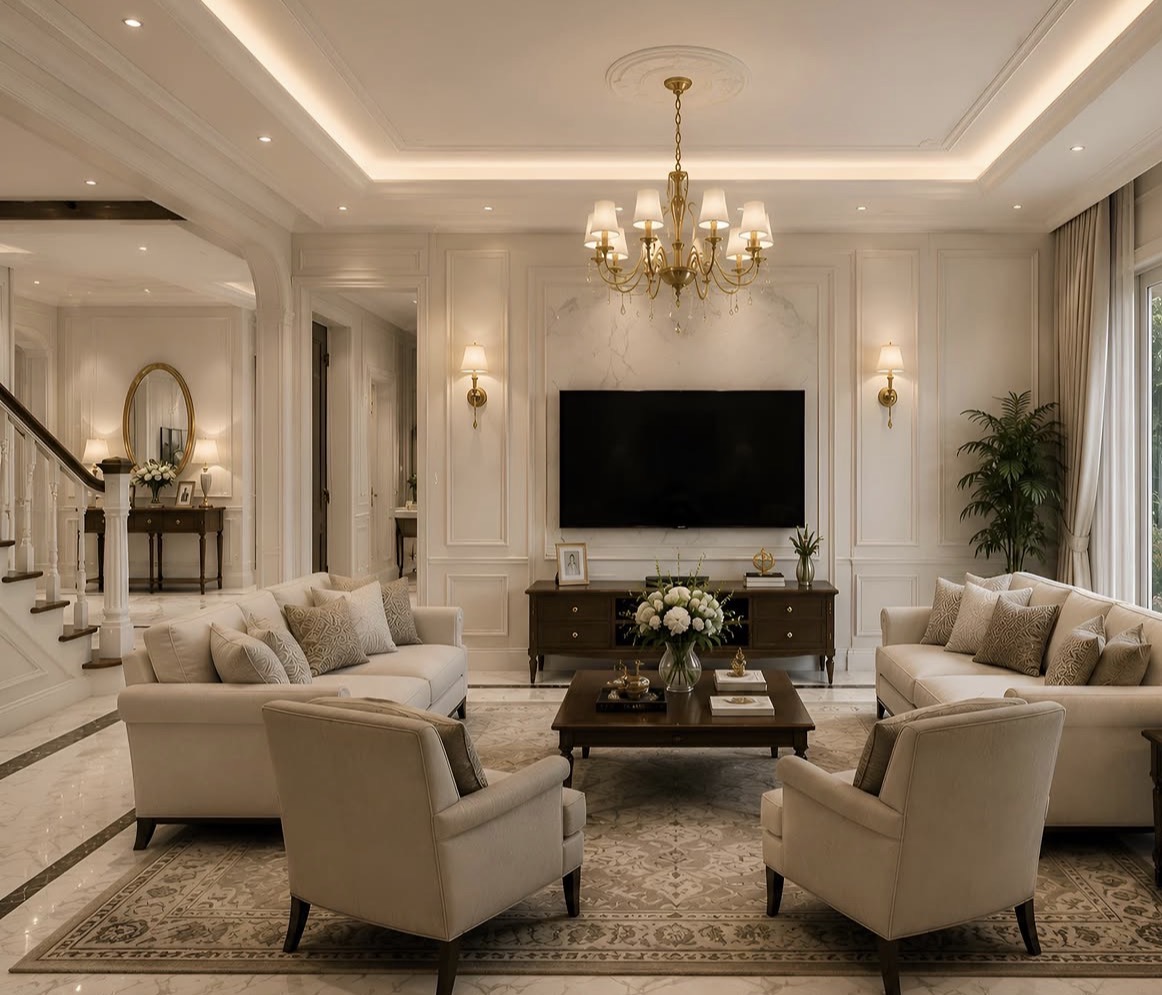
Have you ever walked into a room and immediately felt at home?
Everything looks beautiful, the furniture feels just right, and nothing seems out of place.
The room doesn’t look overly trendy or expensive, but it has a certain charm that makes you want to stay a little longer.
That’s the beauty of timeless interior design.
You don’t need to spend thousands of dollars on furniture or completely renovate your home to achieve this look.
Sometimes, the secret is choosing the right colors, arranging your furniture properly, adding a few beautiful accessories, and knowing when to keep things simple.
For many women, creating a home that feels welcoming, comfortable, and stylish is just as important as making it look good in photos.
You want a living room that still feels beautiful years from now. You want a bedroom that feels peaceful after a long day. And you want your decorating choices to work even when popular trends change.
The good news is that some interior design principles never really go out of style.
Whether you live in a small apartment, a suburban house, or a spacious family home, these classic interior design rules can help you create rooms that look polished without feeling stiff or outdated.
Let’s look at 10 timeless rules you can use in almost any room of your home.
1. Choose a Neutral Color Palette for Your Main Pieces
One of the easiest ways to create a timeless home is to start with colors that are easy to live with.
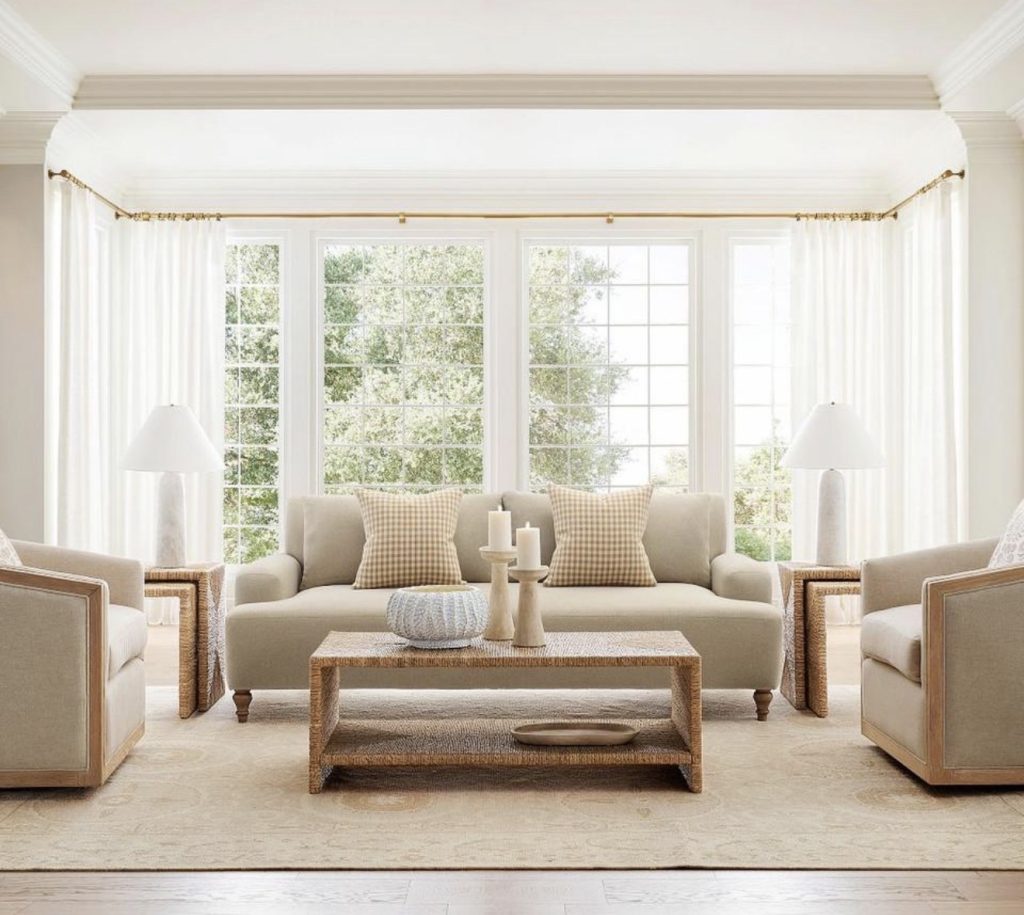
Think warm white, cream, beige, taupe, soft gray, and gentle shades of brown.
These colors work beautifully in living rooms, bedrooms, dining rooms, and even kitchens. They also make it easier to change your decorating style without replacing everything.
Imagine a living room with creamy walls, a beige sofa, natural wood furniture, and a soft ivory rug. You could introduce green pillows in the spring, rust-colored accents in the fall, or navy blue cushions whenever you want a change.
The room would still look cohesive because the main colors provide a calm foundation.
However, don’t feel that you must paint every wall white or buy beige furniture. The goal is to choose a base palette that complements your home and gives you flexibility.
How to make it work:
- Choose one main neutral for your walls or large furniture pieces.
- Add one or two complementary colors for depth.
- Introduce brighter colors through pillows, artwork, curtains, and accessories.
- Test paint samples in different lighting before committing to a color.
Warm neutrals are especially useful if you want your home to feel inviting rather than cold. If you prefer cooler shades, soft gray and muted blue can also create an elegant foundation.
The biggest advantage is that you can refresh your home whenever you feel like it without starting from scratch.
2. Invest in Classic Furniture That Fits Your Space
Have you ever bought a piece of furniture because it was popular, only to get tired of it a year later?
It happens more often than you might think. Some furniture styles become strongly associated with a particular moment in time.
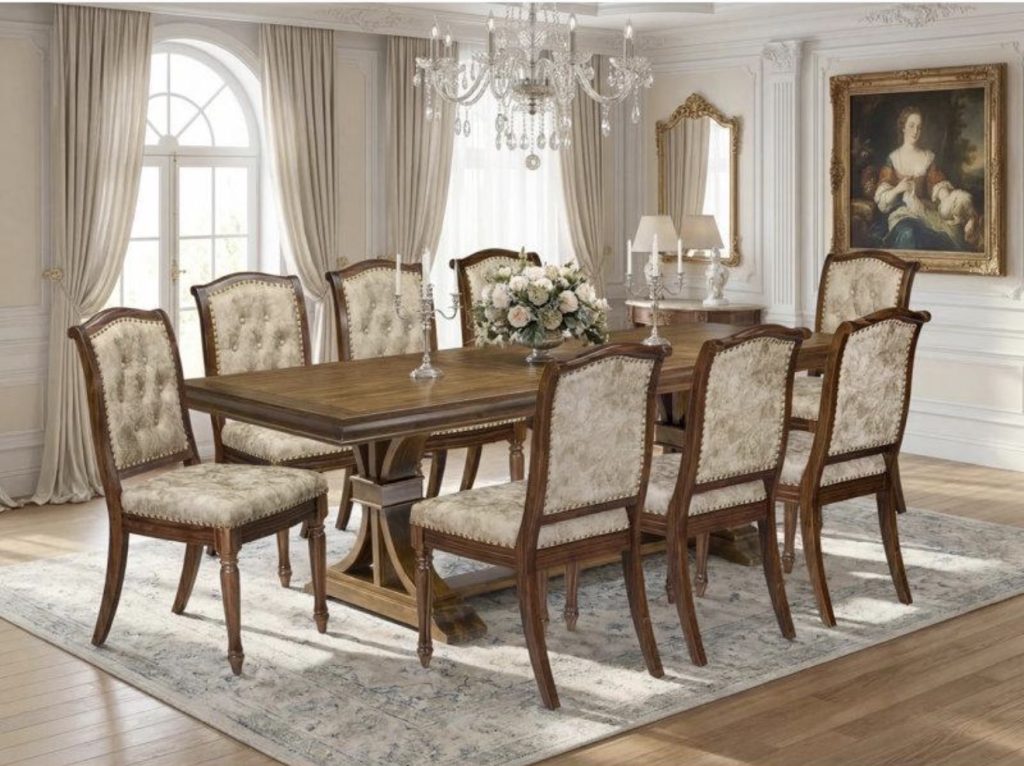
Once that trend fades, the furniture may no longer suit your taste.
A better approach is to choose pieces with simple shapes, comfortable proportions, and designs that can work with different decorating styles.
For example, a well-made sofa with gently curved arms, a solid wood dining table, or a simple upholstered bed can remain useful for many years.
You can update these pieces with new fabrics, pillows, throws, or surrounding accessories.
You don’t have to buy expensive designer furniture to get this right. Affordable furniture can work beautifully when it is comfortable, well-proportioned, and made to handle everyday use.
Before buying anything large, consider the size of your room.
A massive sectional might overwhelm a small living room, while a tiny sofa can look lost in a spacious one.
Measure the available space and think about how you move through the room. Leave enough room to walk comfortably between furniture pieces.
How to make it work:
- Choose furniture with clean, enduring shapes.
- Measure your room before shopping.
- Prioritize comfort and durability over short-lived trends.
- Spend more on pieces you use daily, when your budget allows.
- Use inexpensive accessories to experiment with current styles.
3. Create Balance With Thoughtful Furniture Arrangement
A beautiful room isn’t just about the furniture you buy. It’s also about where you put it.
Balance helps a room feel organized and comfortable. Without it, even lovely furniture can make a space feel awkward or unfinished.
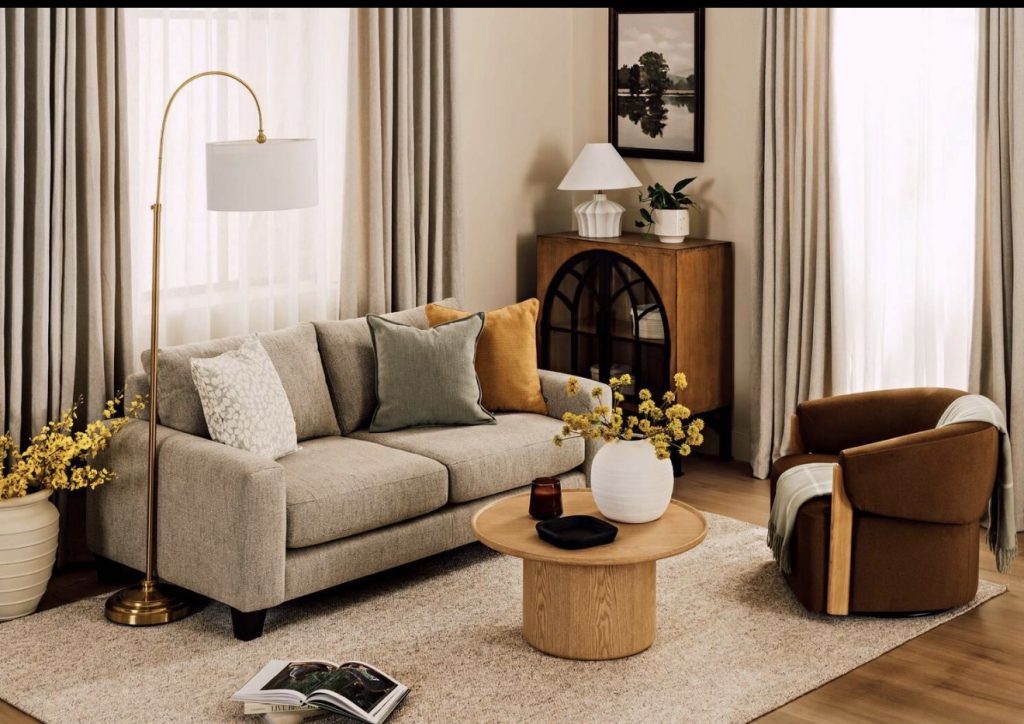
One classic way to create balance is through symmetry. For example, you might place matching nightstands and table lamps on either side of a bed.
In a living room, two similar chairs can sit opposite a sofa, or matching lamps can frame a console table.
This arrangement often feels calm, orderly, and elegant.
But symmetry isn’t the only way to create balance. You can also use different pieces that have a similar visual weight.
A large armchair on one side of a room might balance a floor lamp and a substantial side table on the other.
How to make it work:
- Arrange furniture around a clear focal point.
- Use matching pieces when you want a formal, traditional look.
- Balance large furniture with other elements of similar visual weight.
- Keep walkways clear.
- Avoid pushing every piece against the wall if a more inviting arrangement is possible.
A balanced room doesn’t need to be perfectly symmetrical. It simply needs to feel as though everything belongs.
Learn how to arrange furniture in a small bedroom to maximize space
4. Layer Different Types of Lighting
Lighting can change the entire mood of a room.
A space with beautiful furniture may still feel uncomfortable if the lighting is too harsh or too dim.
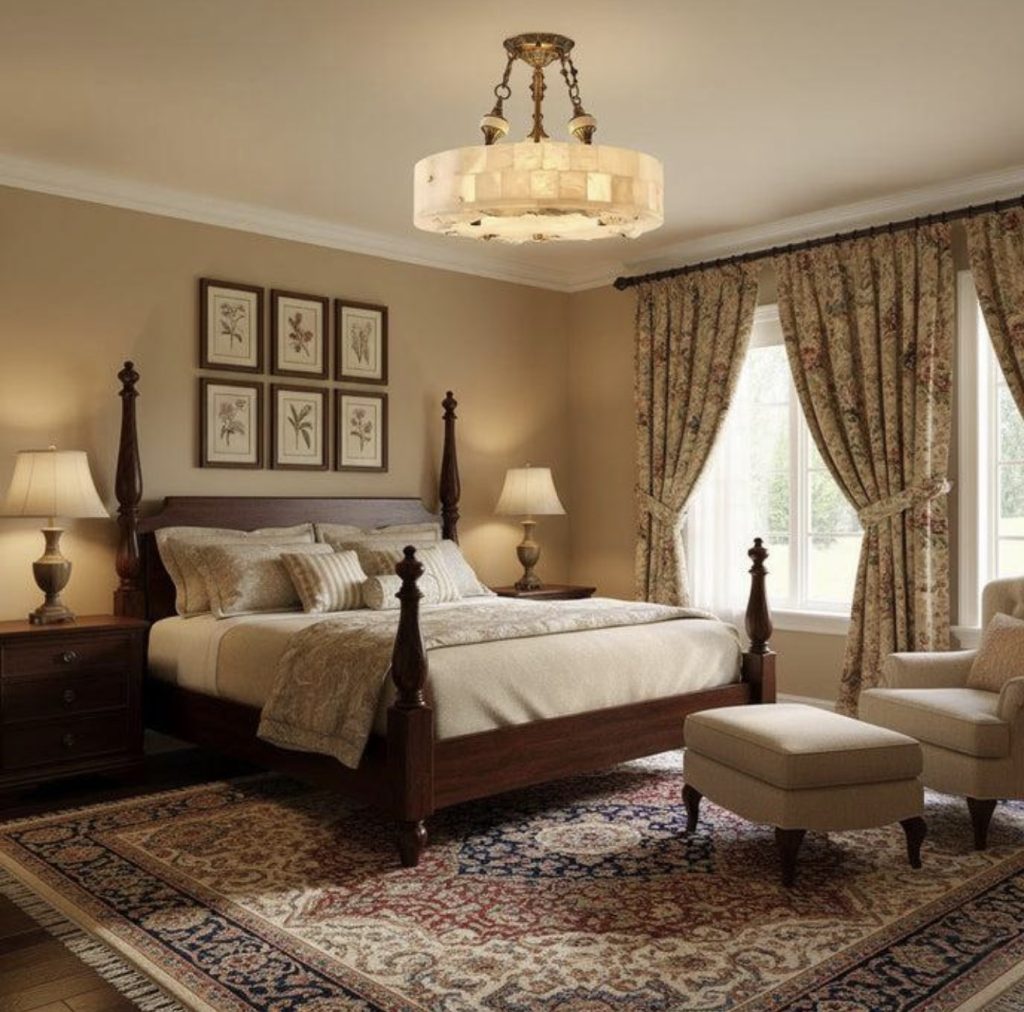
That’s why one ceiling light is rarely enough to create the warm, layered look found in many timeless interiors.
The secret is to use different types of lighting for different purposes.
Start with ambient lighting, which provides general illumination. This could come from a ceiling fixture, chandelier, or recessed lights.
Next, add task lighting. Table lamps beside a sofa, reading lamps near a favorite chair, and under-cabinet lights in the kitchen make everyday activities easier.
Finally, consider accent lighting. Picture lights, wall sconces, and carefully placed lamps can highlight artwork, architectural details, or a beautiful corner of the room.
You don’t need all three types in every room, but combining them where practical creates a more inviting atmosphere.
The light fixtures themselves can also contribute to a classic look. Simple brass sconces, traditional chandeliers, ceramic table lamps, and linen shades are versatile choices that can work with many styles.
How to make it work:
- Add table lamps to your living room and bedroom.
- Use warm-white bulbs where you want a cozy atmosphere.
- Install task lighting in work areas, kitchens, and reading corners.
- Use dimmers where possible to adjust the mood.
- Choose fixtures that complement your furniture and architectural details.
Natural daylight matters, too. Keep windows as open as practical, and use curtains that allow light into the room.
When lighting is planned well, your home feels more welcoming during the day and more relaxing at night.
5. Mix Textures to Make Neutral Rooms Feel Interesting
Neutral decorating can look beautiful, but there’s one problem: a room filled with the same smooth surfaces and similar shades can feel flat.
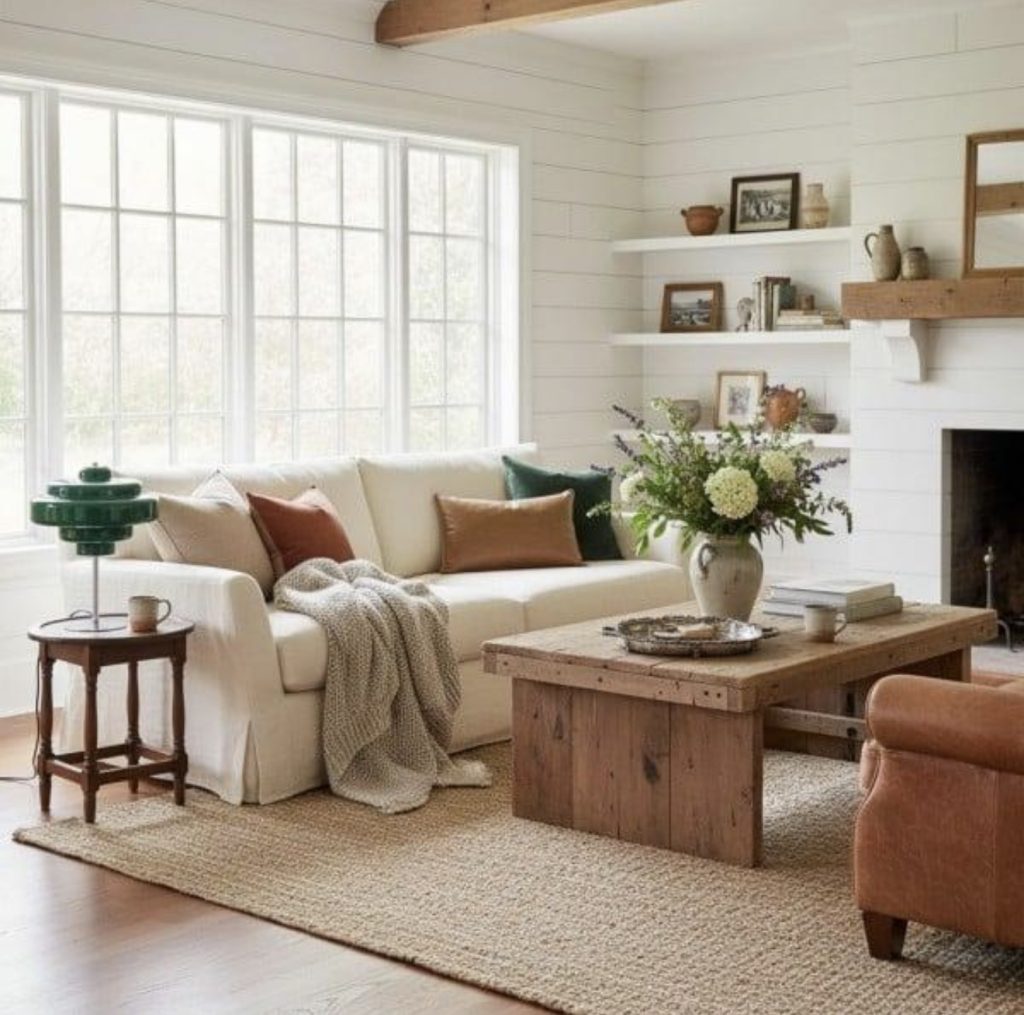
Texture is what gives the space depth.
Think about a cream sofa with linen pillows, a chunky knit throw, a woven rug, a wooden coffee table, and a ceramic lamp. The colors may be simple, but each material adds something different.
This is one of the easiest ways to make your home feel thoughtfully decorated without filling it with lots of color or accessories.
Natural materials are particularly useful. Wood brings warmth, linen adds a relaxed softness, wool makes a room feel cozy, and stone introduces a solid, grounded element.
You can also mix smooth and rough surfaces. A polished wood table looks lovely beside a soft upholstered chair. A woven basket can add interest next to a smooth painted cabinet.
The key is variety without excess.
How to make it work:
- Combine soft fabrics with natural wood and woven materials.
- Add a textured throw to a plain sofa.
- Use a rug to bring warmth to hardwood or tile floors.
- Mix ceramic, glass, metal, and wood accessories.
- Repeat a few materials throughout the room for a connected look.
This rule works especially well in bedrooms and living rooms, where comfort matters just as much as appearance.
And you don’t need to replace your furniture to try it. Sometimes, adding two textured pillows and a beautiful throw is enough to make a room feel completely different.
6. Choose the Right Rug Size for Your Room
An area rug can bring an entire room together. It adds warmth, softens hard floors, and helps define a seating or sleeping area.
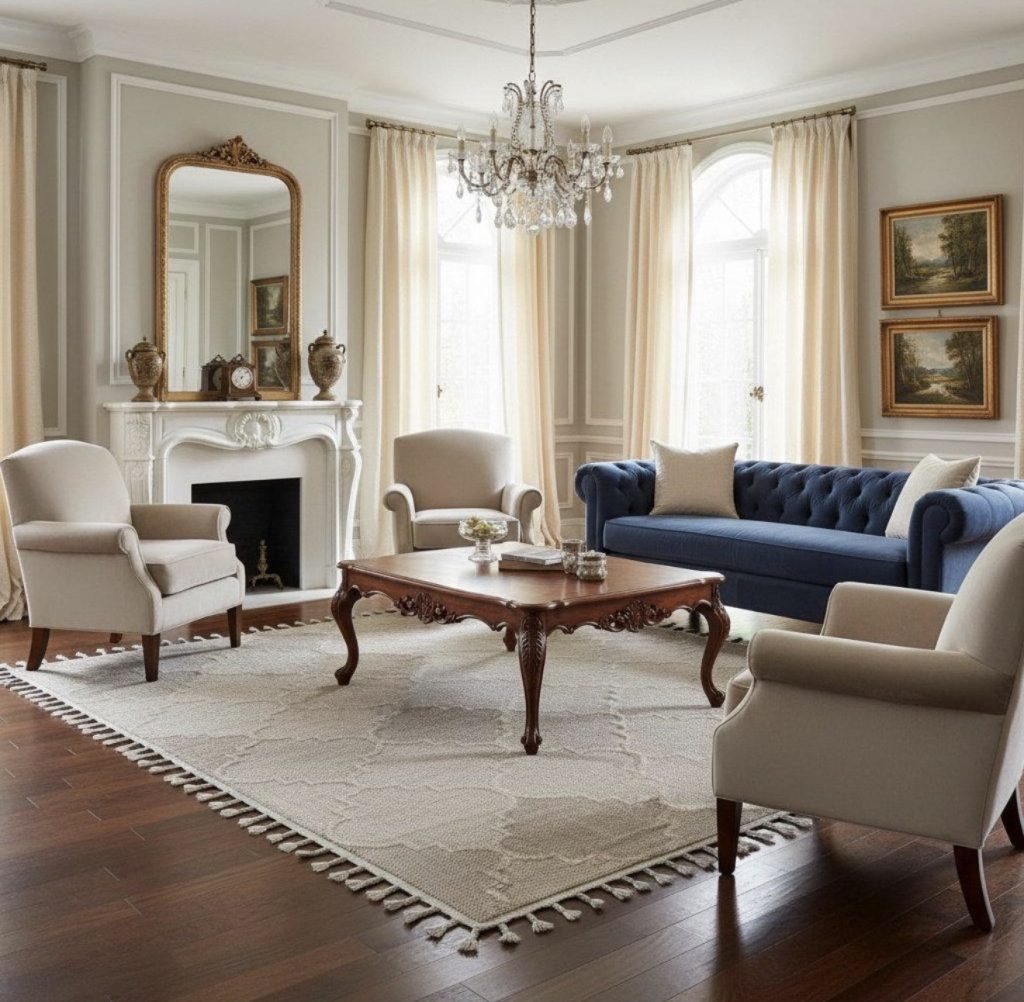
But choosing the wrong size can make even a well-decorated room look awkward.
One common mistake is buying a rug that’s too small. A tiny rug floating in the middle of a living room can make the furniture feel disconnected, as if every piece is sitting on its own little island.
In many living rooms, a larger rug that reaches beneath the front legs of the sofa and chairs creates a more unified arrangement. In larger spaces, a rug that accommodates all the main seating furniture can work beautifully.
For bedrooms, a generously sized rug extending beyond the sides and foot of the bed can make the space feel softer and more finished. Smaller rugs placed beside the bed are another option, particularly when space or budget is limited.
How to make it work:
- Measure the furniture arrangement before purchasing a rug.
- Choose a size that visually connects the main pieces.
- Use a rug pad to help prevent slipping.
- Select durable, easy-to-clean materials for busy households.
- Consider subtle patterns if you want to disguise everyday wear.
For a timeless look, traditional patterns, understated stripes, simple geometric designs, and solid neutral rugs are all worth considering.
You can still choose a bold pattern if you love it. Just make sure the rug works with the rest of the room instead of competing with everything around it.
7. Use Natural Materials That Age Beautifully
Some materials have stayed popular for generations because they are beautiful, versatile, and practical.
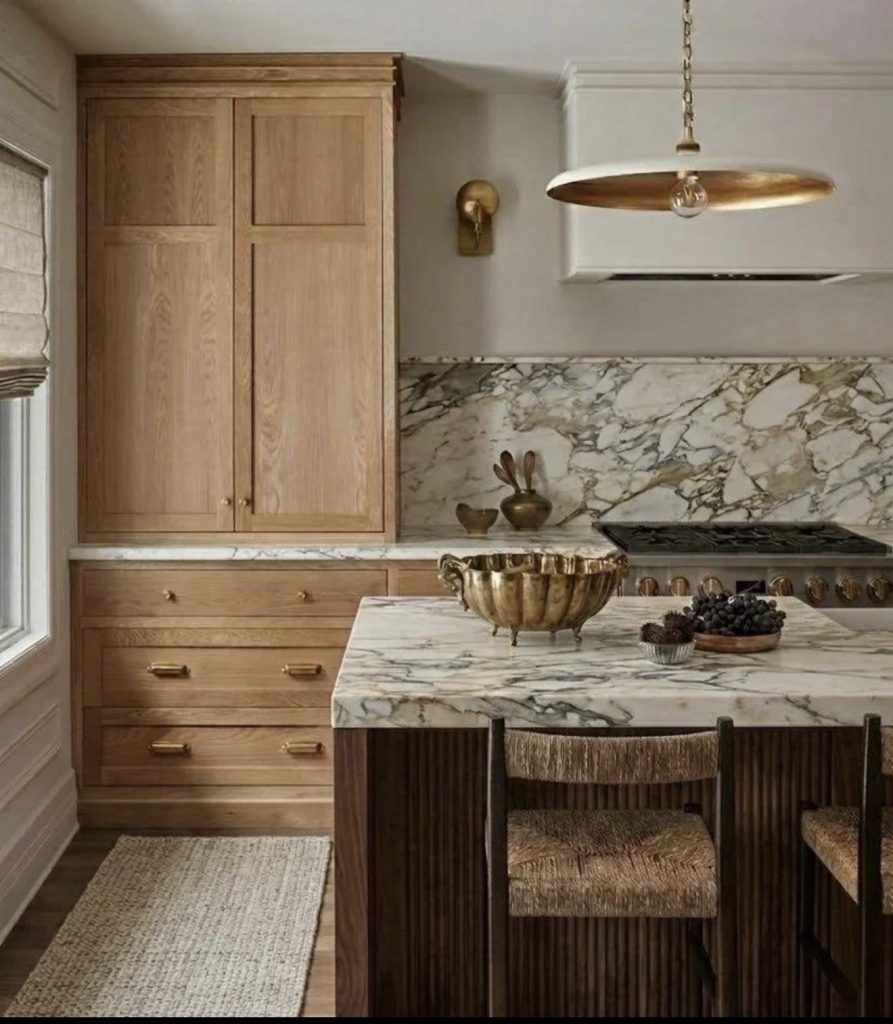
Wood, natural stone, cotton, linen, wool, and leather can all bring lasting character to a home.
Their colors and textures often work well with different decorating styles, making them useful choices when you want to avoid a room that feels tied to one trend.
Consider a solid wood dining table. It can look just as attractive in a traditional dining room as it does in a modern farmhouse space.
You can change the chairs, lighting, and table accessories while keeping the same table.
Natural materials also help create a connection between different rooms.
Wood floors, woven baskets, linen curtains, and stone accents can make a home feel cohesive without making every room look identical.
Of course, not every natural material is suitable for every budget or lifestyle.
Some stones need sealing, wood requires appropriate care, and delicate fabrics may not be ideal for homes with pets or young children.
There are plenty of attractive alternatives, including durable engineered surfaces and easy-care upholstery.
How to make it work:
- Add a wood coffee table or dining table.
- Use cotton or linen curtains for a relaxed, classic finish.
- Introduce woven baskets for storage.
- Consider stone or stone-look surfaces for kitchens and bathrooms.
- Choose materials based on maintenance needs, not just appearance.
The idea isn’t to make everything natural. It’s to select materials that offer warmth, durability, and flexibility.
When you invest in finishes and furniture that suit your lifestyle, you won’t feel the need to replace them every time a new decorating trend appears.
8. Give Every Room a Clear Focal Point
Have you ever entered a room and felt that your eyes didn’t know where to look first?
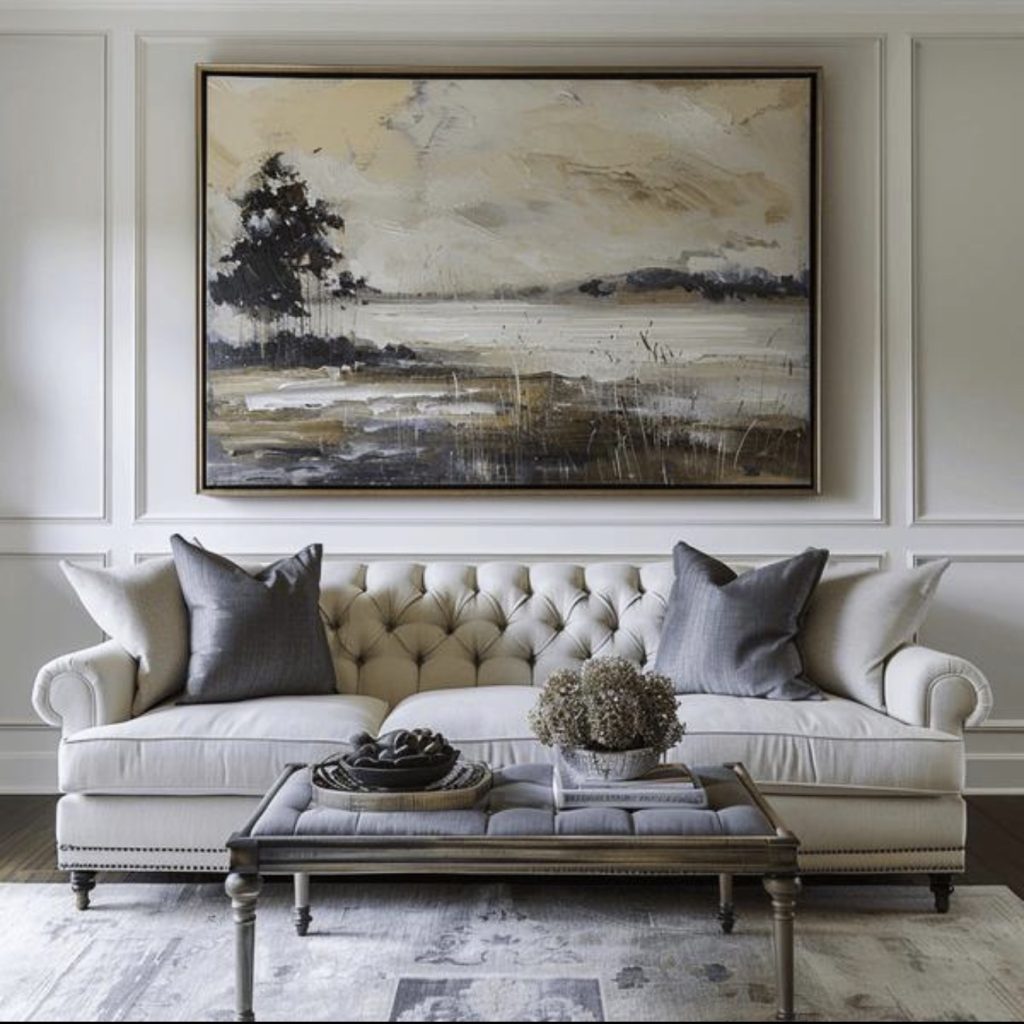
Maybe there are too many decorative objects, several bold patterns, and multiple pieces of furniture competing for attention. Even if each item is attractive, the overall effect can feel overwhelming.
A focal point helps solve this problem.
It’s the main feature that naturally draws your attention when you enter a room. Depending on your home, it could be a fireplace, a large piece of artwork, a beautiful bed, a statement light fixture, or a window with a lovely view.
Once you’ve identified the focal point, arrange the rest of the room to support it.
For example, in a living room with a fireplace, you might position the sofa and chairs to create a comfortable seating area around it. If you don’t have a fireplace, a large framed artwork above the sofa can serve as the visual anchor.
In a bedroom, a well-dressed bed with an attractive headboard often does the job.
You don’t need to purchase an expensive statement piece. A favorite painting, a vintage mirror, or a collection of framed photographs can work just as well.
How to make it work:
- Choose one main feature to draw attention.
- Arrange furniture so the focal point feels intentional.
- Use artwork or a mirror to create interest on a blank wall.
- Keep surrounding accessories relatively simple.
- Avoid placing too many competing statement pieces together.
A focal point gives your room direction. It also makes decorating easier because you have a clear starting point for choosing colors, furniture, and accessories.
Check out these gallery wall art suitable for your bedroom
9. Hang Curtains High and Wide
Window treatments can make a bigger difference than you might expect.
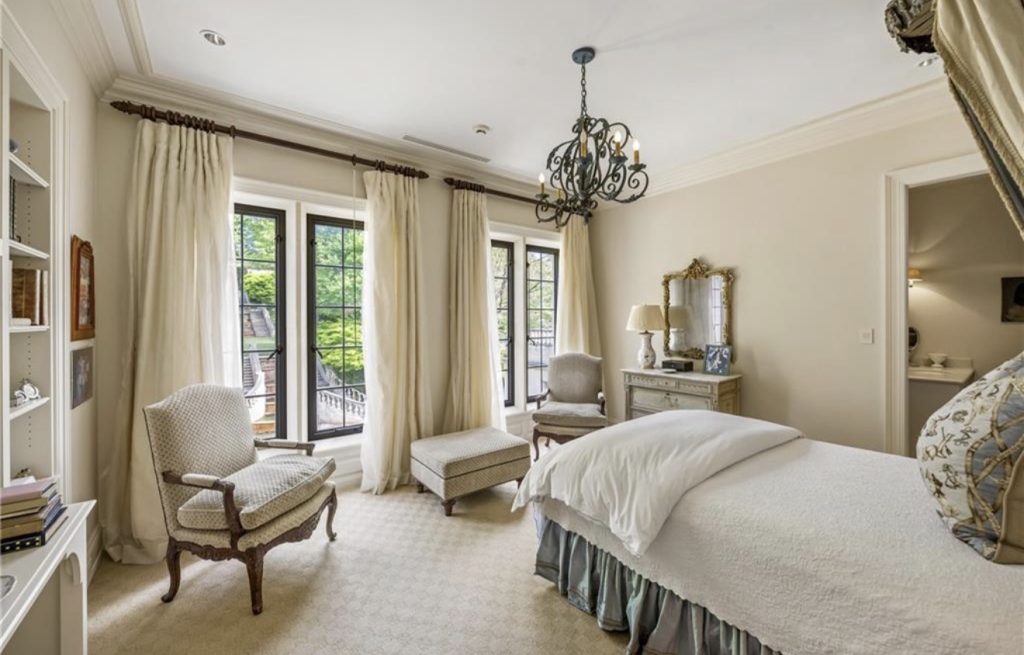
Curtains soften a room, provide privacy, control sunlight, and add another layer of color and texture. When they’re hung thoughtfully, they can also make windows appear larger and ceilings feel taller.
One classic approach is to mount the curtain rod higher than the top of the window frame and extend it beyond the sides.
This allows the curtains to frame the window without covering too much of the glass when they’re open.
Floor-length curtains often create a more polished look than curtains that stop awkwardly above the floor.
However, the exact length should suit your space and the way you use it.
For a timeless appearance, consider linen-look panels, cotton drapes, subtle stripes, or understated patterns. Cream, soft white, taupe, and muted earthy colors are versatile choices.
If your room needs blackout conditions, lined curtains can be useful in bedrooms. In living rooms, lighter panels can help preserve natural daylight.
Renters can use tension rods or removable hardware where suitable, depending on the window and curtain weight.
How to make it work:
- Mount the curtain rod higher than the window frame when practical.
- Extend the rod beyond the window sides to let in more daylight.
- Choose curtains that reach the floor or suit the window’s function.
- Select fabrics that complement your furniture and wall color.
- Consider privacy and light control before choosing the fabric.
You don’t need elaborate window treatments to make a room feel elegant.
Simple curtains with the right proportions can be more effective than expensive, heavily decorated ones.
Learn how to choose the best curtain color for your bedroom.
10. Decorate With Meaningful Accessories and Leave Some Empty Space
Accessories are often what make a house feel like a home.
Family photographs, books, ceramic vases, travel souvenirs, candles, a