8 Traditional Victorian Living Room Decor Ideas
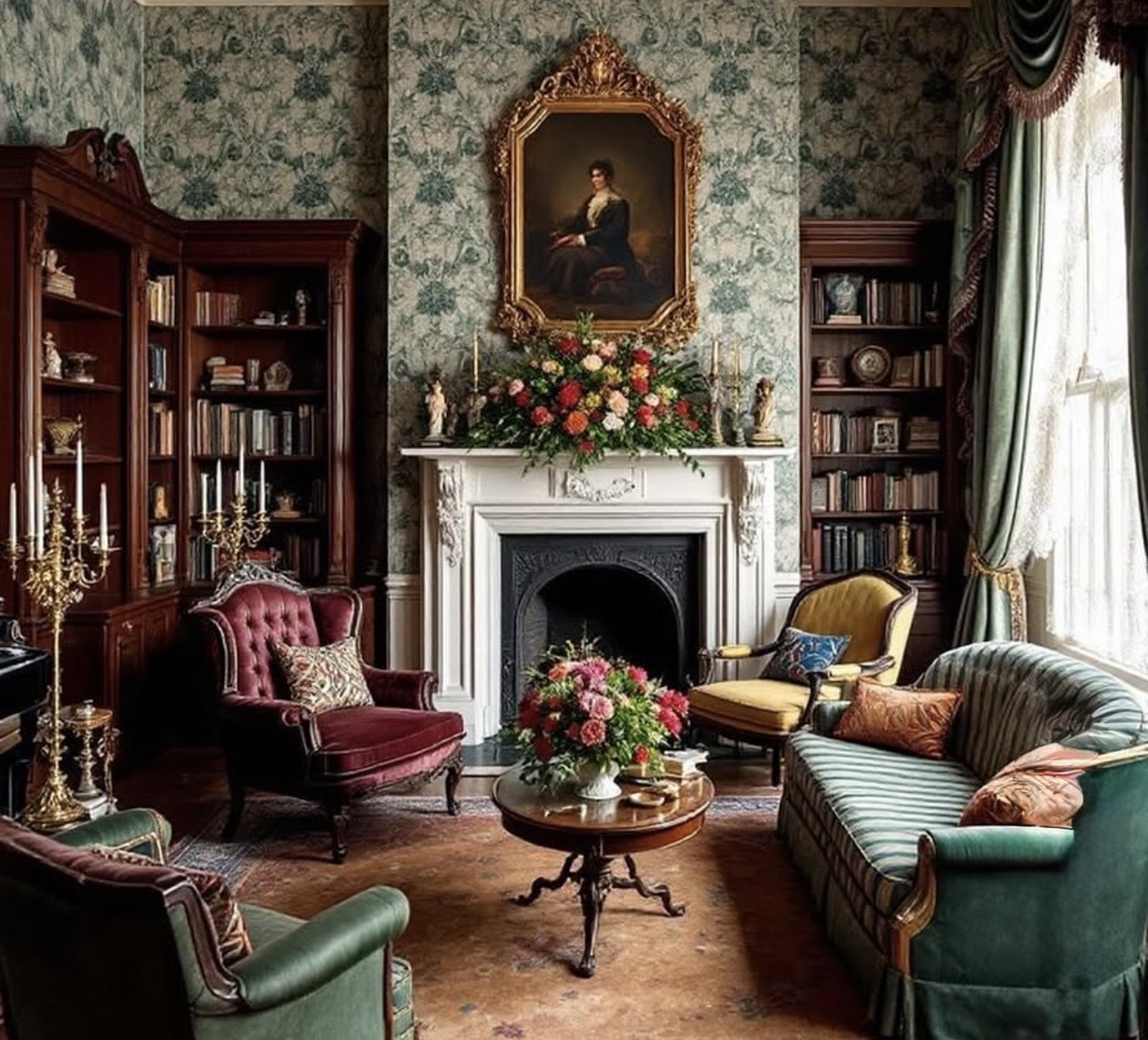
If you love old-world charm, the Victorian living room never really goes out of style. It’s rich. It’s layered. It feels like a hug from your grandmother’s house, but fancier.
I’ve spent years studying Victorian interiors, and in this guide, I’ve shared 8 traditional Victorian living room decor ideas you’ll want to try.
1. Deep, Moody Wall Colors
Victorians did not fear color. They loved deep jewel tones like burgundy, forest green, navy, and plum.
Skip the beige. Skip the white walls. A Victorian living room wants walls that feel like velvet.
Think wine red or hunter green. These colors make a room feel cozy, not cave-like, when you pair them with warm lighting.
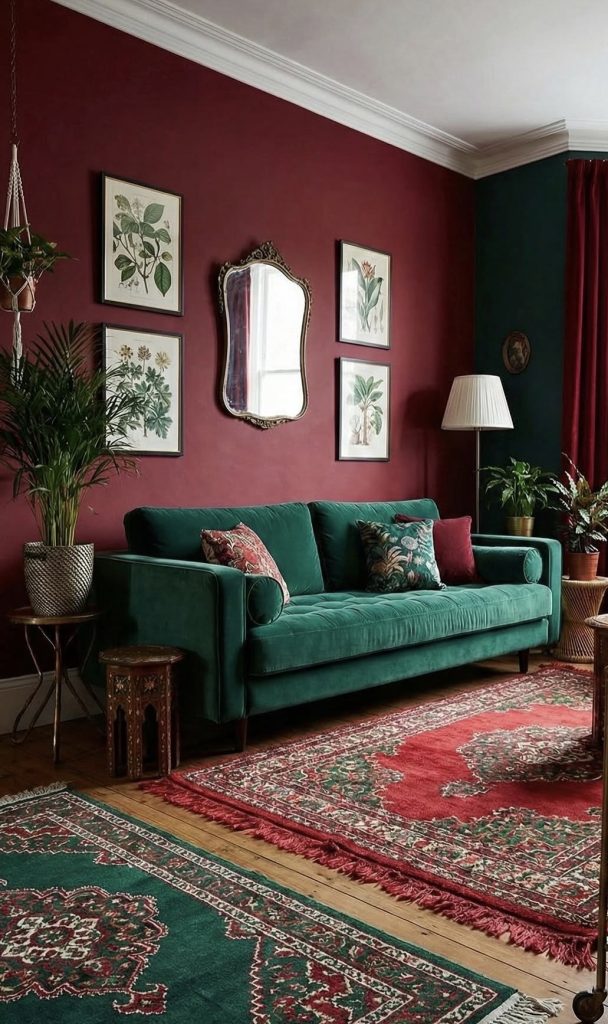
If painting a whole room feels scary, start with one accent wall. Or try a dark color in a small powder room first. Once you see how rich it looks, you’ll want it everywhere.
This looks beautiful. Deep walls with gold frames and soft lamp light are an Instagram favorite for a reason.
2. Layered Patterns and Textiles
Victorian rooms never had just one pattern. They had five. Florals on the wallpaper. Stripes on the curtains. Damask on the sofa. Somehow, it all worked.
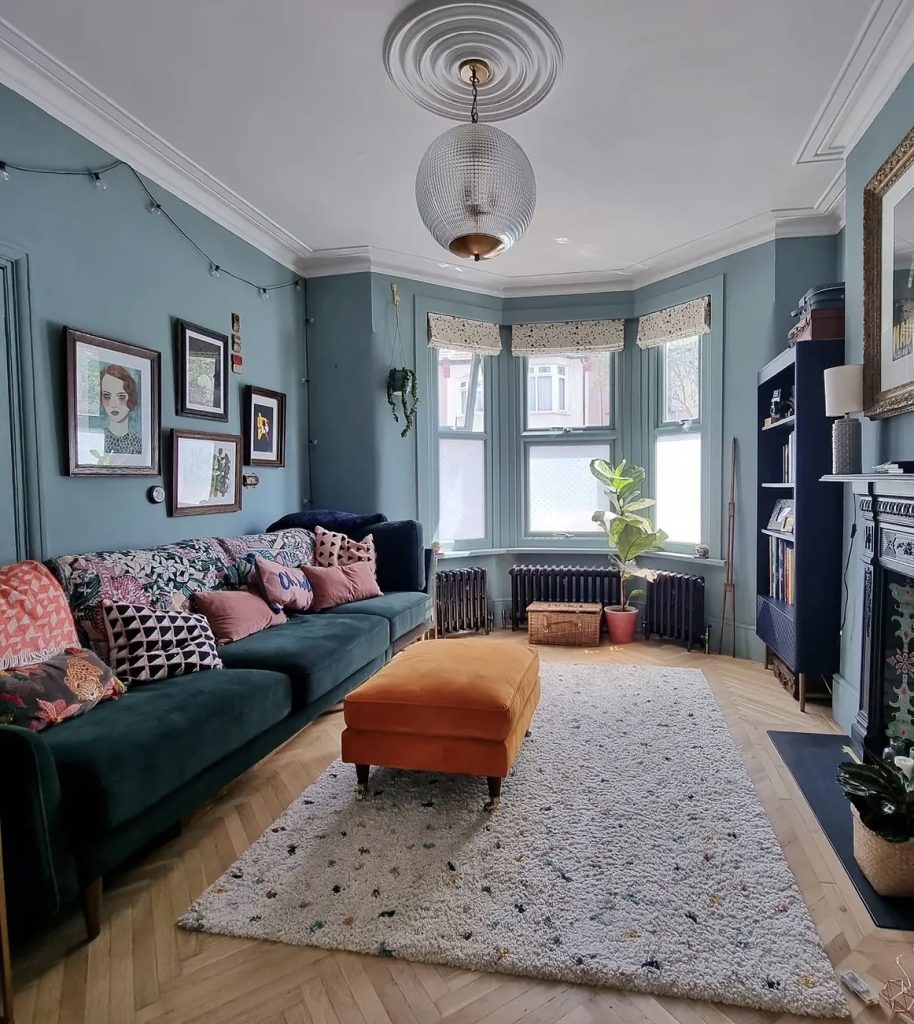
The secret is a shared color palette. Pick two or three colors, then let different patterns repeat those colors throughout the room.
A floral rug in burgundy and gold. Striped curtains in the same gold. A velvet chair in burgundy.
Don’t be afraid to mix. Victorian style is maximalist at heart. Matching everything perfectly is a modern habit, not a Victorian one.
Layered textiles like these make for gorgeous close-up shots. Throw pillows, tasseled trim, and patterned upholstery all shine on camera.
Check out these small funky living room decor ideas you will like to copy
3. Antique or Antique-Style Furniture
You don’t need real 1890s furniture to get this look. Reproduction pieces work just fine, and they’re easier to find.
Look for curved wood legs, tufted upholstery, and dark wood finishes like mahogany or walnut. A Chesterfield sofa is a classic choice. Tufted armchairs with rolled arms are another.
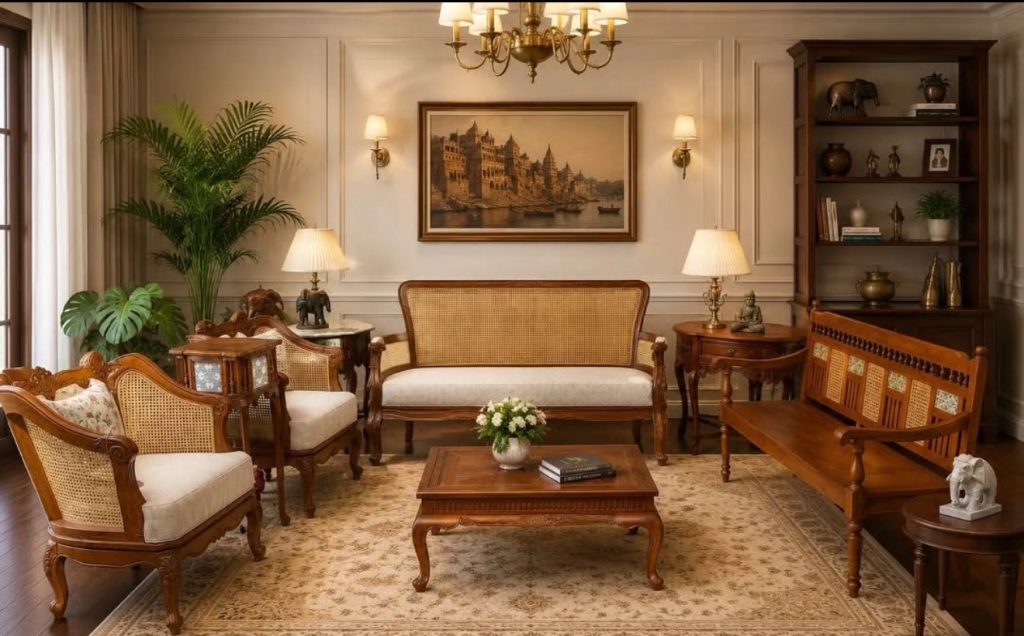
Estate sales, thrift stores, and antique malls are goldmines for this. So is Facebook Marketplace, honestly. You’d be surprised what people give away.
One great chair can anchor an entire room. Start there if your budget is tight.
4. Ornate Gold Mirrors and Frames
Gold accents are everywhere in Victorian decor. Mirrors with carved gold frames. Picture frames with detail and texture. Even lamp bases in aged brass or gold.
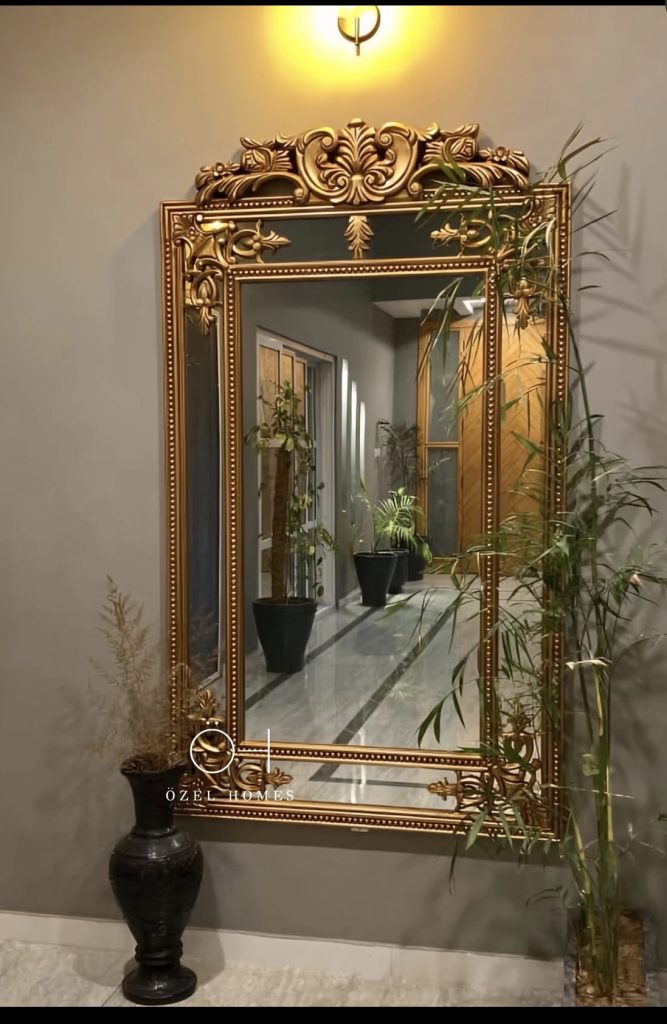
A large ornate mirror over the fireplace or sofa does two things. It adds elegance, and it makes the room feel bigger by bouncing light around.
Gallery walls work too. Group several gold frames together with old paintings, family portraits, or botanical prints inside.
5. Fringe, Tassels, and Trim Details
This is a small detail that makes a huge difference. Victorians loved trim. Fringe on lampshades. Tassels on curtain tiebacks. Braided edges on pillows.
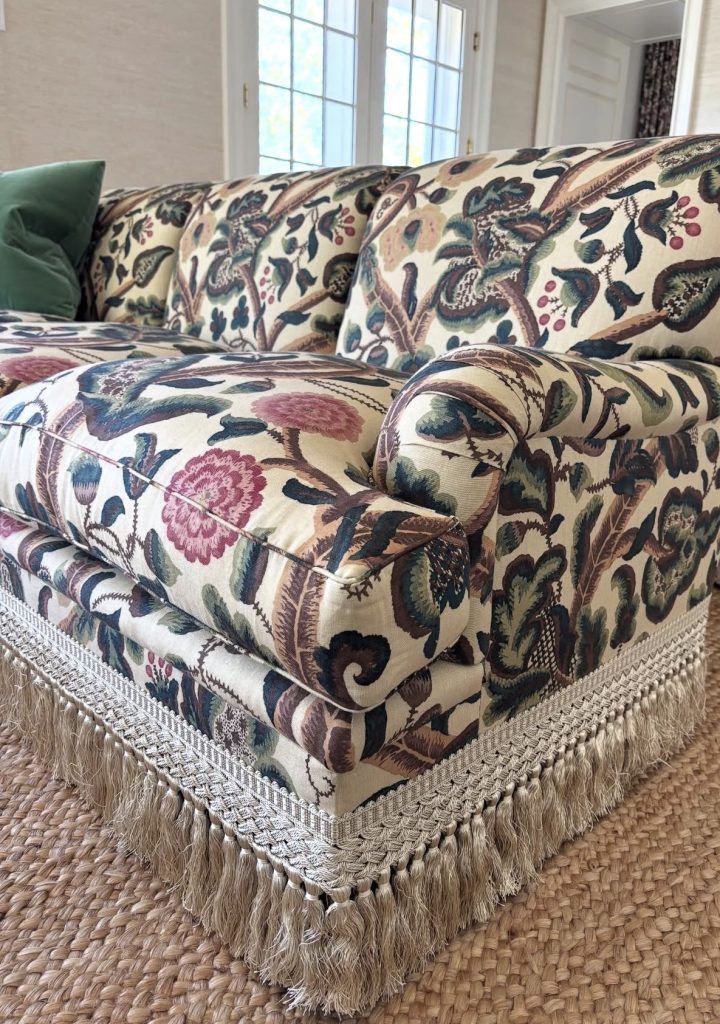
These little extras take furniture from plain to Victorian instantly. A simple lampshade becomes something special with a bit of fringe along the bottom.
Look for these details when you shop, or add them yourself.
Trim and tassels are easy to find at fabric stores, and you can hot glue them onto plain pillows or curtains in an afternoon.
This is the kind of close-up detail shot that does really well online. People love a good tassel photo.
Plan to decorate your small living room? Check out this detailed guide
6. A Statement Fireplace
The fireplace was the heart of a Victorian living room. Even if yours doesn’t work, or you don’t have one, you can fake the look.
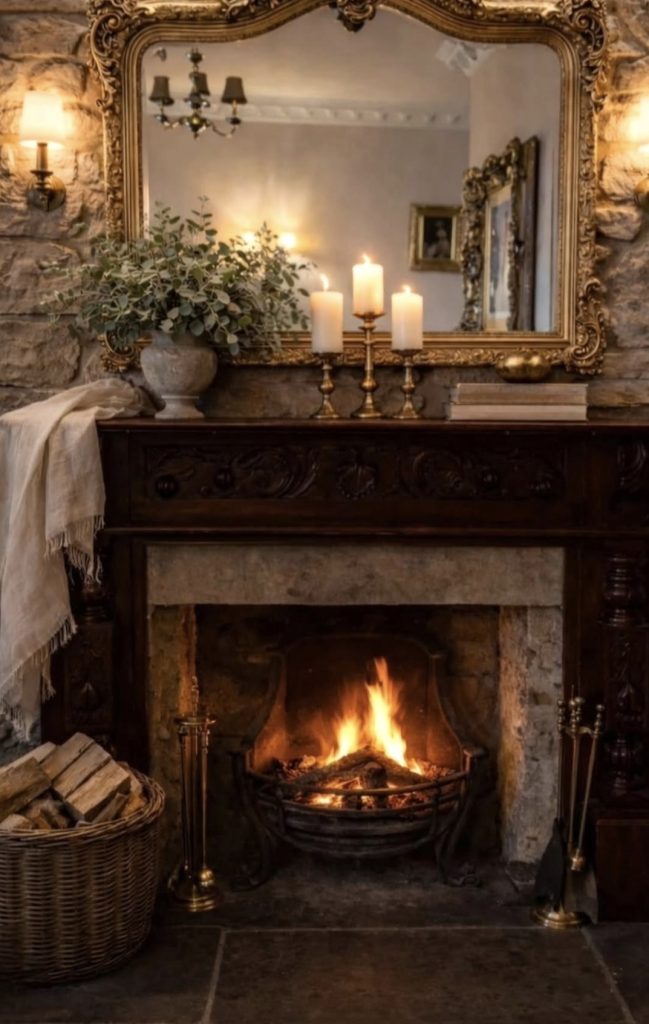
A carved wood or marble mantel is the classic choice. Dress it with candlesticks, a clock, small framed art, or a vase of dried flowers.
Symmetry matters here. Victorians liked balance on the mantel, with matching items on each side.
If you don’t have a real fireplace, a faux mantel shelf or an electric insert can still give you that same focal point. It’s worth the effort.
A dressed mantel is one of the most photographed spots in any home.
7. Velvet and Rich Upholstery
Velvet is the fabric of the Victorian era. It feels luxurious. It catches light in a soft, glowy way that other fabrics just can’t do.
A velvet sofa or armchair in emerald, burgundy, or deep blue instantly sets the tone for the whole room.
Even a few velvet throw pillows on a plainer sofa can shift the whole feel.
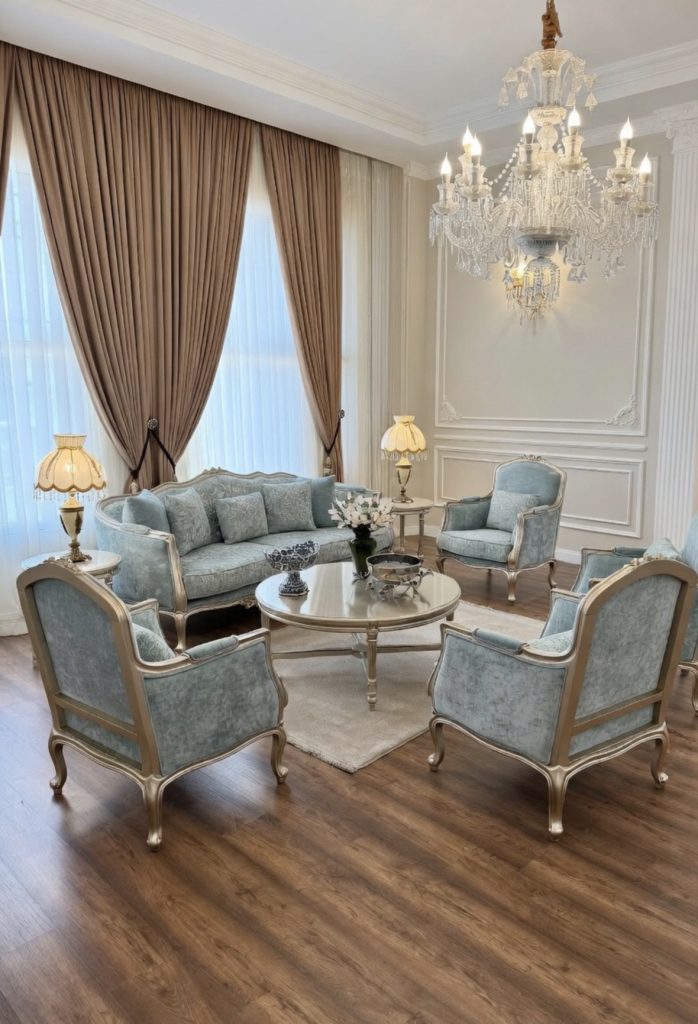
Pair velvet with other rich textures like brocade, lace, or damask for curtains and tablecloths.
The goal is a room that feels soft and touchable, almost like a jewelry box.
Velvet photographs incredibly well, especially with a bit of natural light. It has that deep, saturated look that does so well on camera.
Love farmhouse decor? Read this guide on modern farmhouse living room decor ideas
8. Vintage Lighting with Warm Glow
Skip the bright white overhead lights. Victorian rooms glow; they don’t shine.
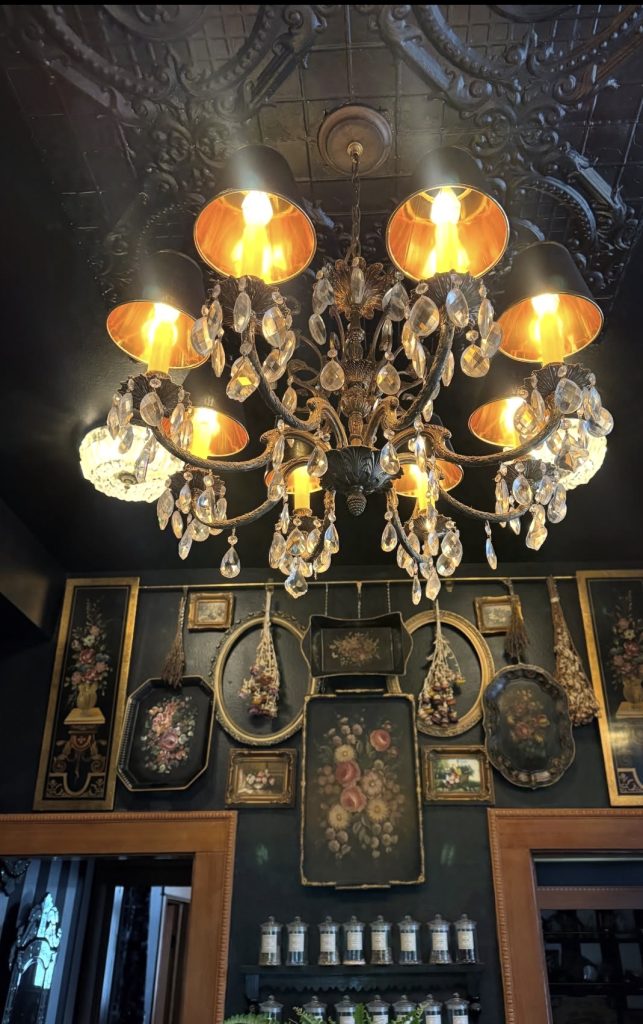
Look for lamps with fringed or beaded shades. Brass or bronze finishes. Candlestick-style sconces. Even a small chandelier with crystal drops can work beautifully in a living room, not just a dining room.
Layer your lighting too. A floor lamp in one corner, a table lamp by the sofa, maybe a few candles on the mantel. Multiple soft light sources feel much more Victorian than one bright ceiling light.
This warm, golden lighting is also what makes Victorian rooms look so dreamy in photos.
Natural light plus lamp light together creates that cozy, old-world glow people love to capture.
Final Thoughts
You don’t need every single idea I stated here to get a Victorian feel. Start small. Maybe it’s one velvet chair, a gold mirror, and a fringed lamp.
That alone will shift the whole mood of your room.
The heart of Victorian decor is richness. Rich colors. Rich textures.
Rich detail. It’s a style that rewards patience, since so many of the best pieces come from vintage shops, estate sales, or slow collecting over time.
Take it one piece at a time, and enjoy the process. That’s really what Victorian decorating is about anyway. It’s not a quick trend. It’s a home that feels layered, personal, and lived-in, the same way it did over a hundred years ago.