7 Cozy Japandi Small Living Room Ideas That Work in Real Homes
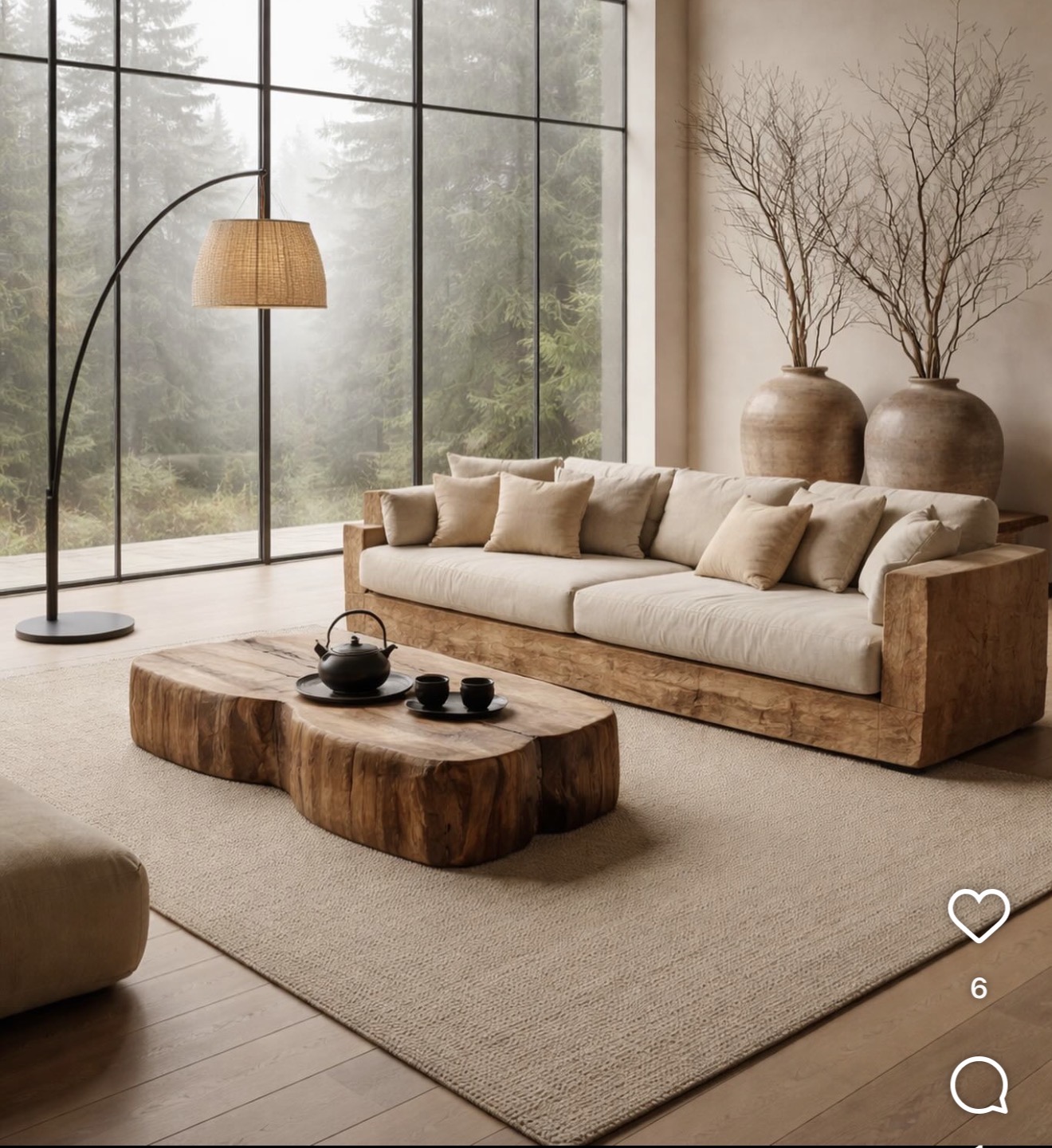
There’s something quietly powerful about a small living room done right.
No clutter. No competing patterns. Just calm.
That’s exactly what Japandi gives you.
For small living rooms, this isn’t just an aesthetic choice. It’s a practical one.
I’ve helped dozens of homeowners transform cramped, chaotic living rooms into spaces that feel intentional and restful.
So in this guide, I shared with you 7 cozy Japandi small living room ideas that actually work in real homes.
1. The Low Sofa Moment
This is the single biggest visual trick in Japandi design.
Swap your standard sofa for something low to the ground. Think platform-style seating with clean, straight lines.
When your furniture sits low, your ceiling suddenly feels higher. Your room breathes.
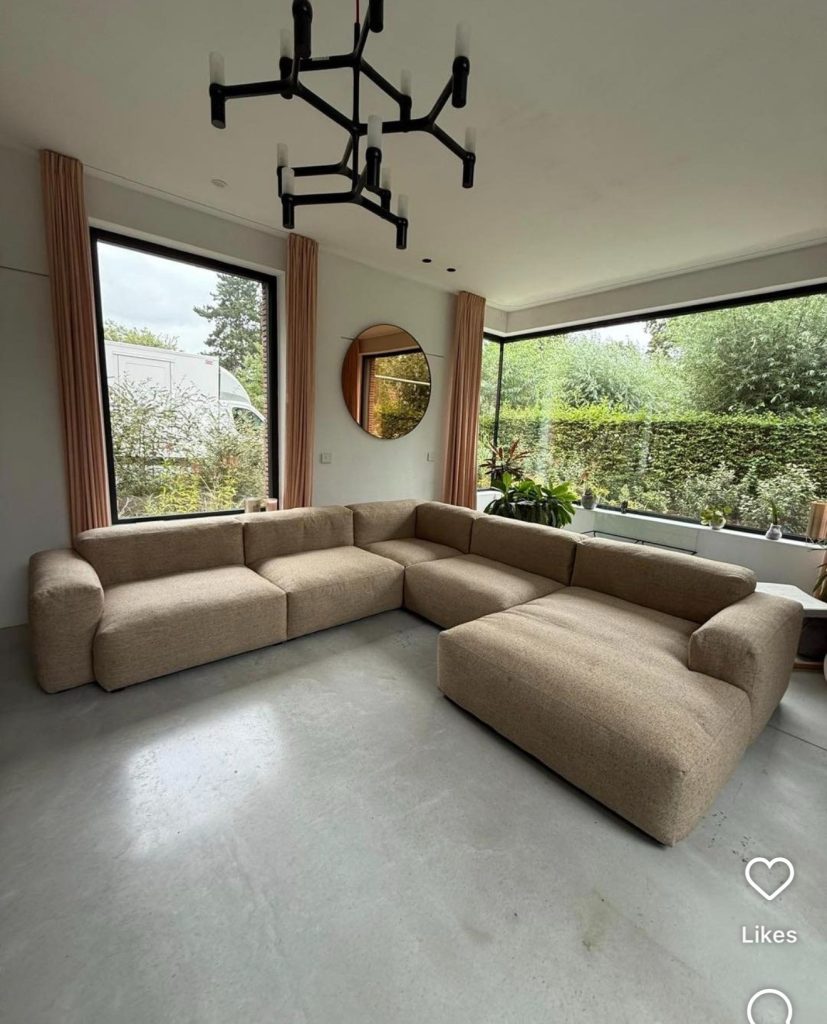
Go for a sofa in warm oatmeal, dusty sage, or muted terracotta.
These tones photograph beautifully and feel grounded without being heavy.
Add two or three linen throw pillows, varied textures, same color family. A chunky knit blanket draped over one arm finishes it.
The whole vibe says: sit down, slow down.
2. A Neutral Gallery Wall With One Bold Element
Japandi walls are not bare. They’re just intentional.
Here’s a formula that works in small spaces: three to five frames in matching natural wood tones.
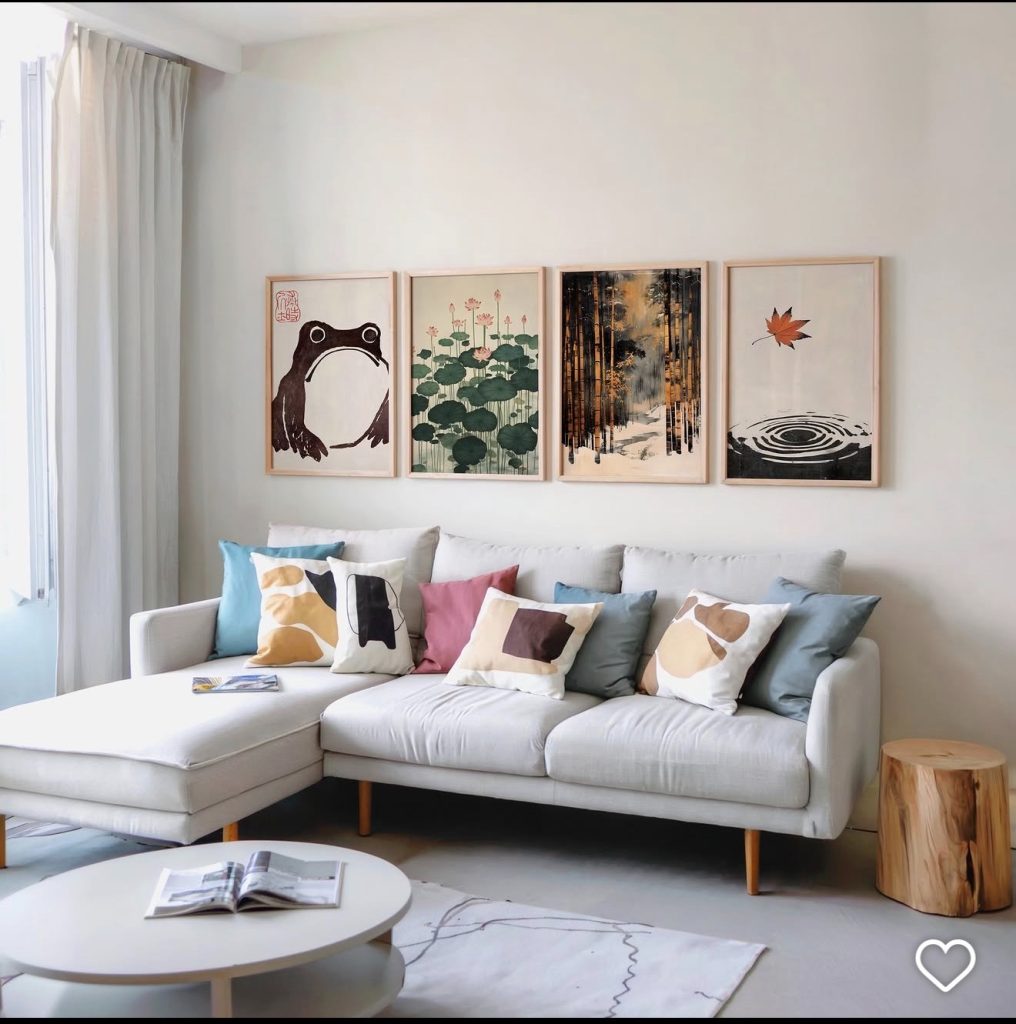
Inside them are simple botanical prints, black ink brushwork, or abstract organic shapes.
Keep the frames tightly grouped rather than spread across the entire wall.
Tight groupings make a small room feel curated, not cluttered.
Now add one element that breaks the quiet.
A single piece of dark ceramic wall art.
A handwoven fiber hanging in black and cream.
One dramatic dried pampas branch in a tall floor vase beside the grouping.
That contrast, soft neutrals with one intentional statement, is the heartbeat of Japandi styling.
3. The Boucle + Rattan Combination
If two textures define cozy Japandi right now, it’s boucle and rattan.
Boucle is that soft, loopy fabric you’ve been seeing on chairs and ottomans everywhere.
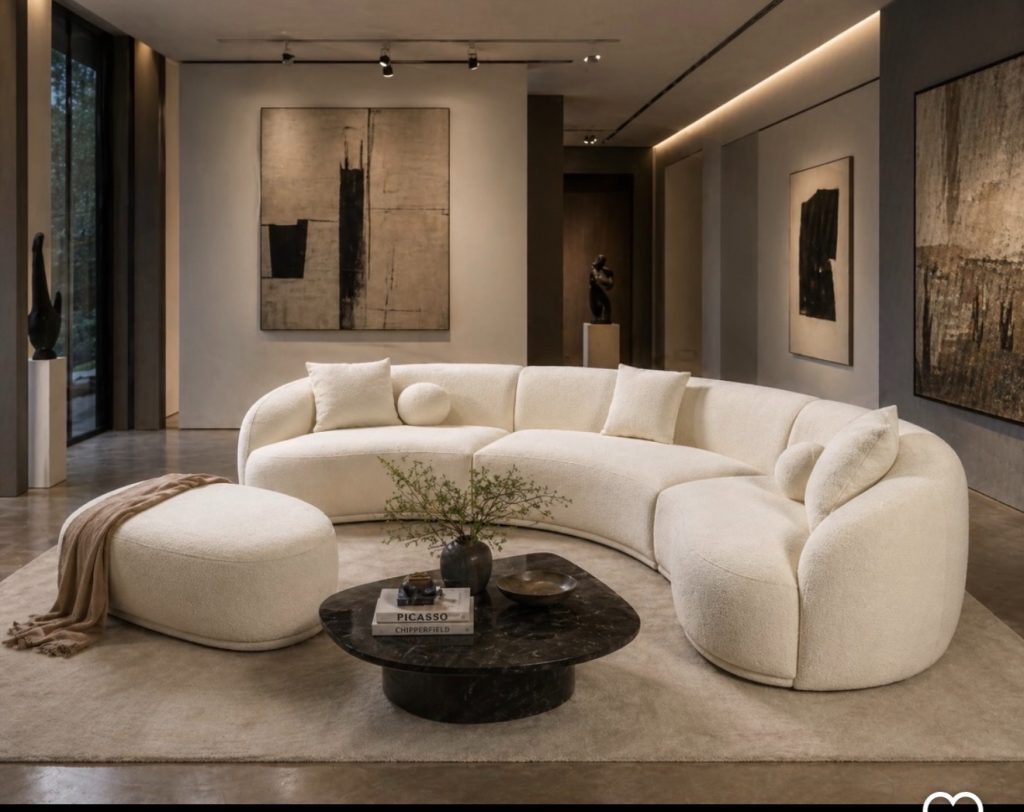
It adds warmth without color. Rattan brings in that organic, slightly imperfect quality that feels handmade and alive.
In a small living room, use them together. A boucle accent chair paired with a rattan side table or floor lamp creates instant layered warmth.
Keep the rest of the room simple so these two textures do the talking.
Learn About Modern Japandi Style Bedrooms That Are Cozy
4. Shoji-Inspired Room Division
Small living rooms often share space with a dining area or entryway.
Instead of a hard wall or a heavy curtain, use a shoji-inspired room divider.
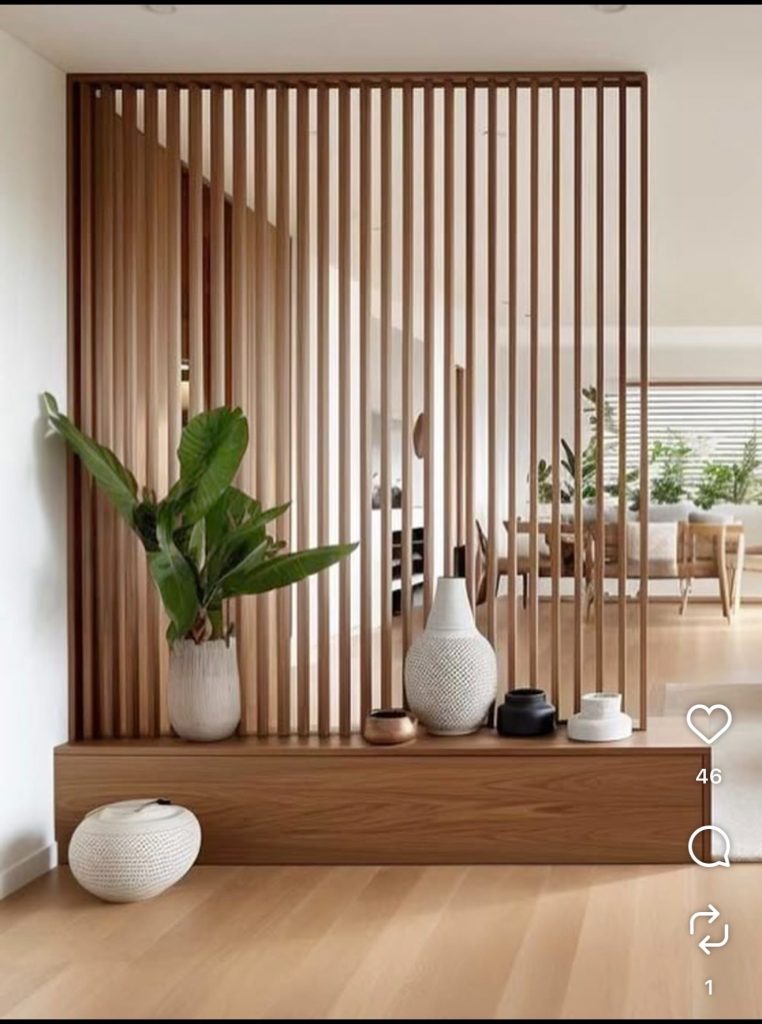
These are the light wood-framed screens with rice paper or frosted panel inserts.
They let light filter through while gently defining zones. In a Japandi space, they’re both functional and beautiful.
You can find affordable versions at places like IKEA, World Market, and Amazon.
Style it by placing a small indoor bamboo plant on one side and a simple ceramic bowl on a nearby surface.
Suddenly, that divider becomes a focal point rather than just a partition.
5. A Moss Wall or Preserved Greenery Corner
Nature is non-negotiable in Japandi design.
But in small living rooms, large plants can feel overwhelming. The modern solution? A preserved moss panel or a small curated greenery corner.
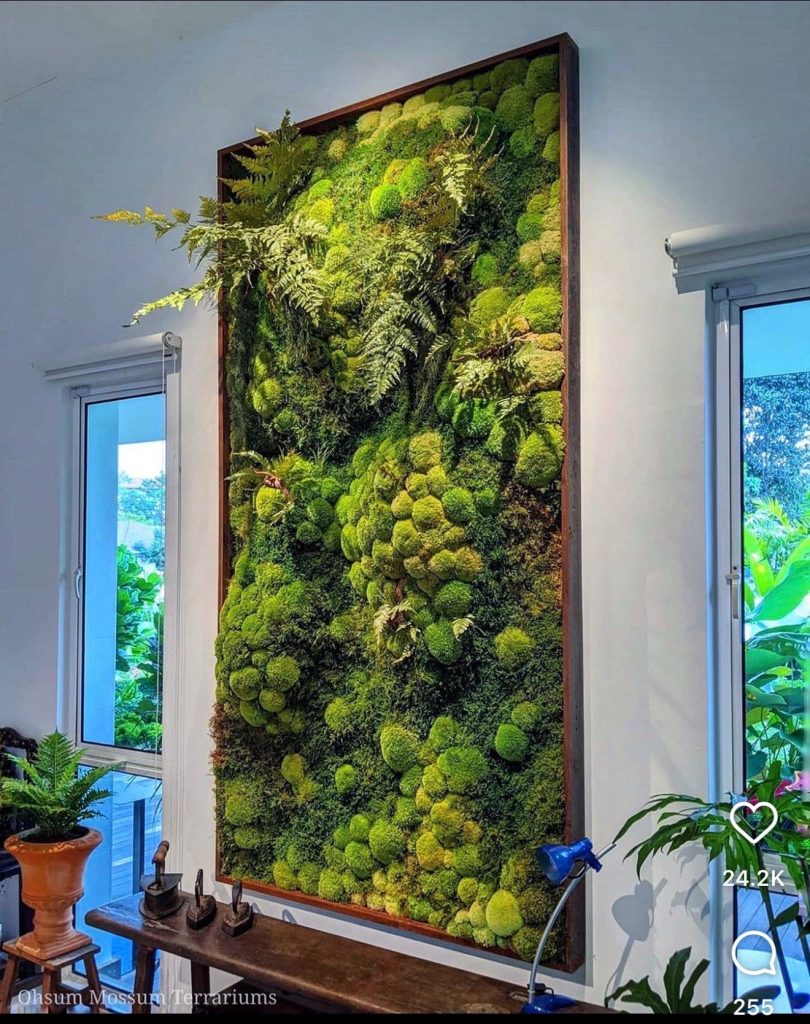
A moss wall panel (they come in squares and rectangles, no watering required) adds a rich, deep green that feels organic and grounding.
Mount one on the wall above a side table or in a corner. Pair it with a single sculptural plant, a snake plant or a fiddle leaf cutting in a matte black or warm terracotta pot.
The greenery signals life without demanding attention. It brings the outside in, which is deeply rooted in Japanese design philosophy.
6. The Wabi-Sabi Coffee Table Styling
The coffee table is where a lot of small living rooms go wrong.
Either it’s piled with random objects or it’s completely bare and feels sterile.
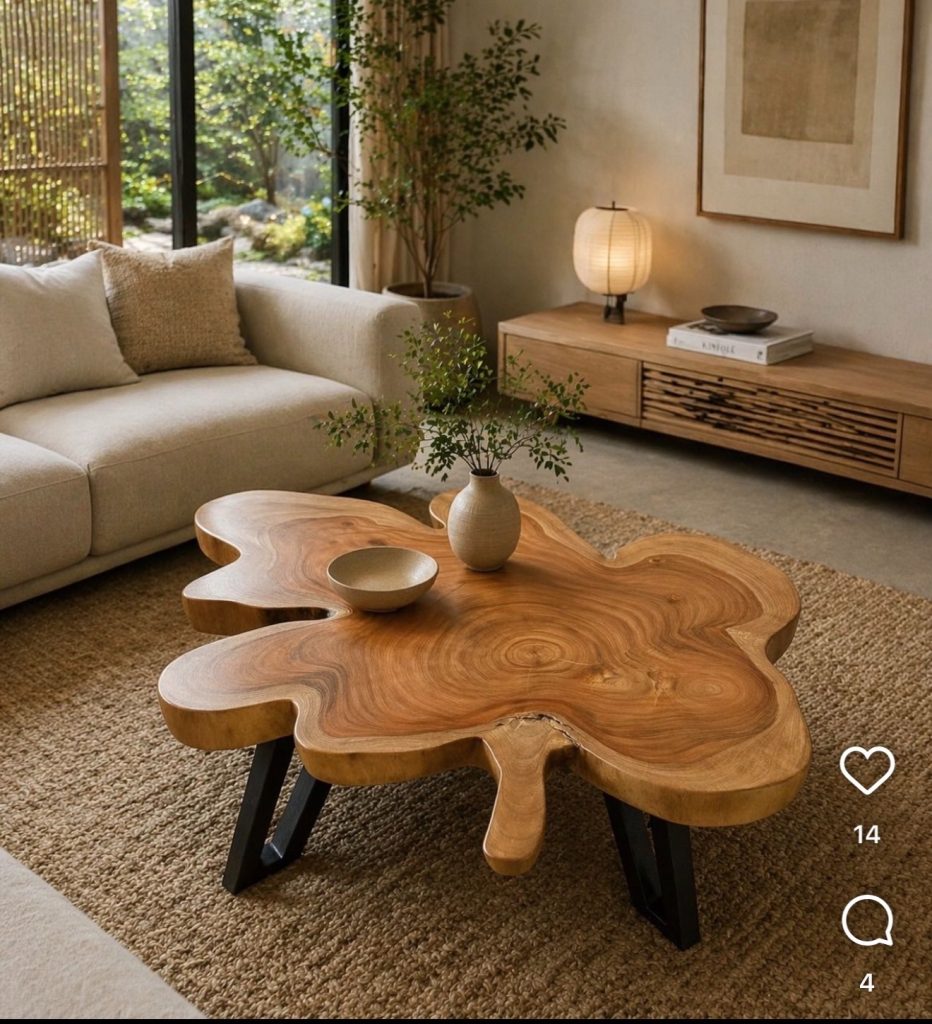
Wabi-sabi teaches us to find beauty in imperfection. So your coffee table styling should feel like it happened naturally, not like it was arranged for a photoshoot.
Here’s a formula: Start with a handmade tray in raw wood or aged ceramic.
Inside it, place one pillar candle in a soft neutral, a small smooth stone or geode, and a tiny bud vase with a single dried stem.
Beside the tray, leave a beautiful hardcover book, design or nature photography. That’s it.
Nothing more. Nothing fussy.
7. Warm Ambient Lighting in Layers
Lighting transforms small rooms more than any piece of furniture.
Japandi lighting is warm, layered, and never harsh. In a small living room, you want at least three light sources at different heights.
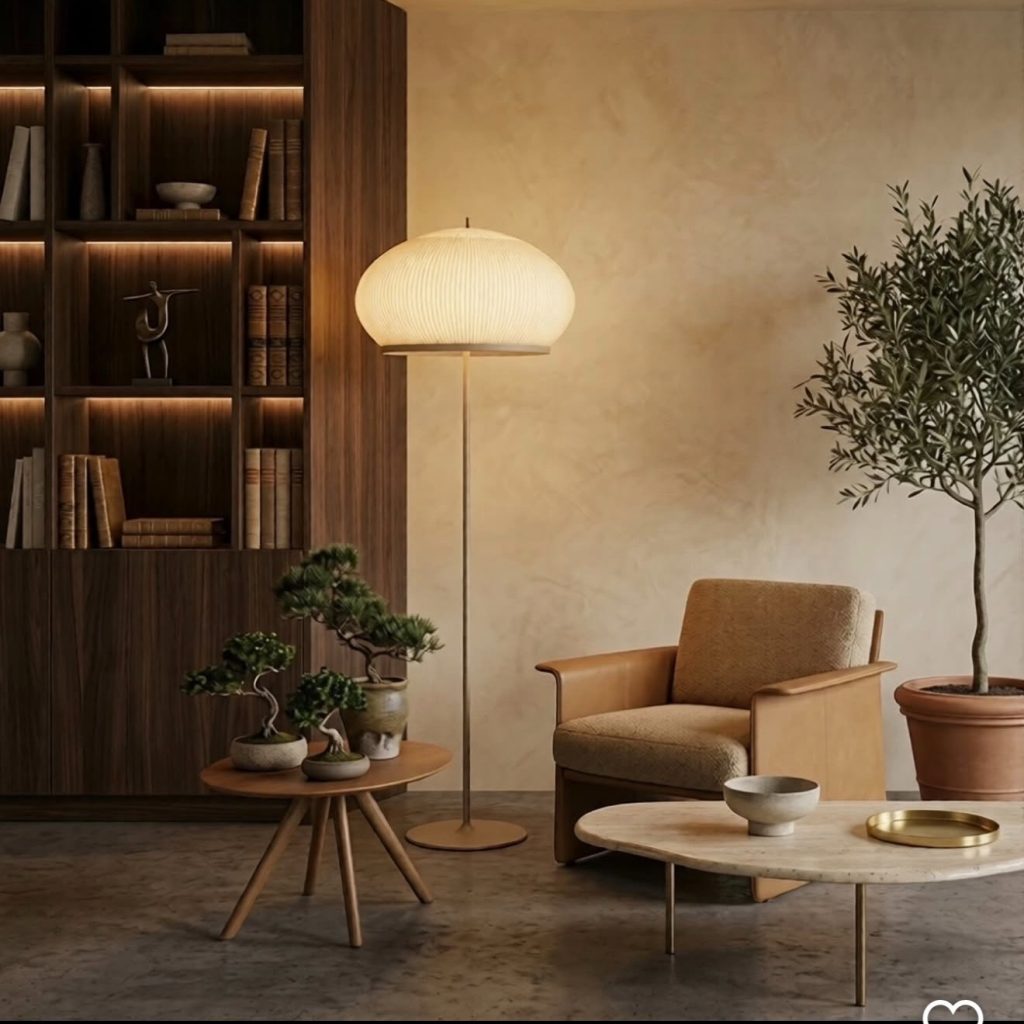
An arc floor lamp with a linen or washi paper shade. A table lamp on your side table with a warm Edison bulb.
And candles, real ones, or high-quality flameless versions, grouped in odd numbers.
Overhead lighting should be on a dimmer if possible.
When it’s dimmed low and your floor lamp takes over, the room feels intimate and expansive at the same time.
It’s a strange and wonderful thing.
Look specifically for lamps with natural wood bases, bamboo shades, or sculptural ceramic forms.
These details matter in Japandi spaces because every single object is considered.
Final Thoughts
Every idea on this list shares one quality: intention.
Japandi isn’t about buying a lot of new things. It’s about choosing fewer things more carefully.
It’s about asking whether each object in your living room is earning its place, through beauty, function, or both.
Small living rooms actually have an advantage here. You have less space to fill, which means you’re forced to be deliberate. That constraint is a gift.
Start with one idea from this list. The low sofa swap, the boucle chair, the coffee table reset, pick whichever feels most aligned with your current space.
Live with it for a few weeks. See how it shifts the feeling of the room.
The most beautiful Japandi living rooms I’ve ever seen weren’t designed all at once. They evolved slowly, one intentional choice at a time.