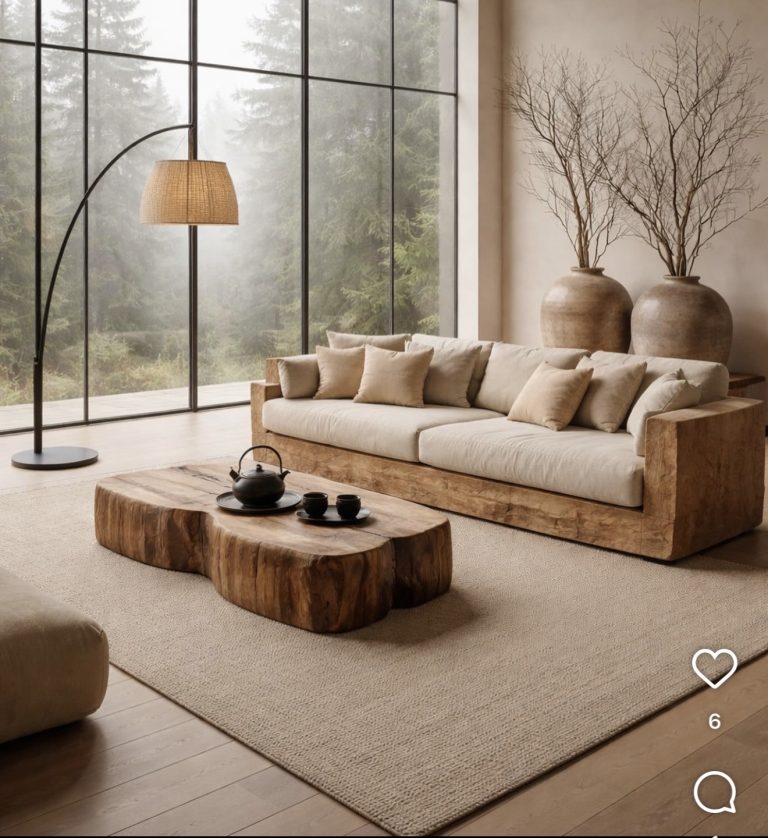
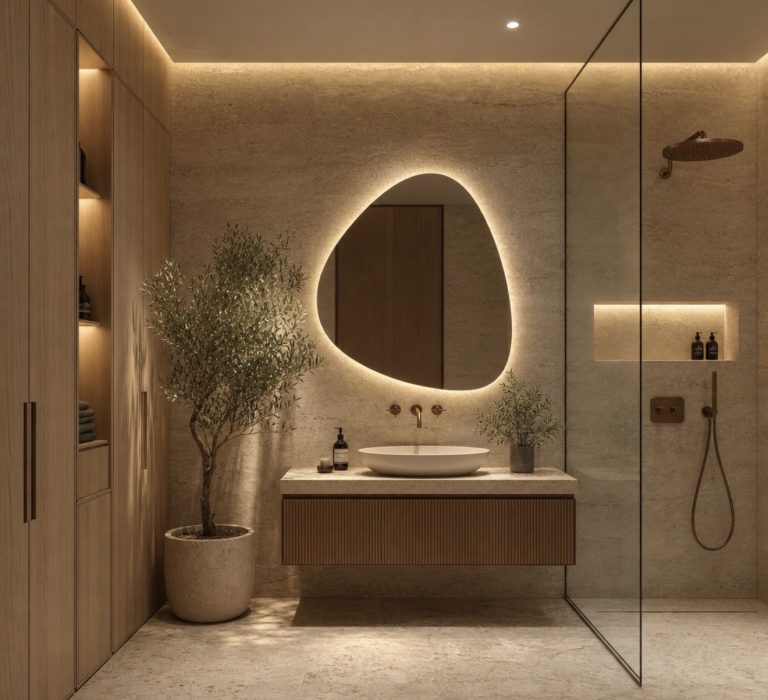
6 Modern Japandi Kitchen Decor Ideas That Will Transform Your Space
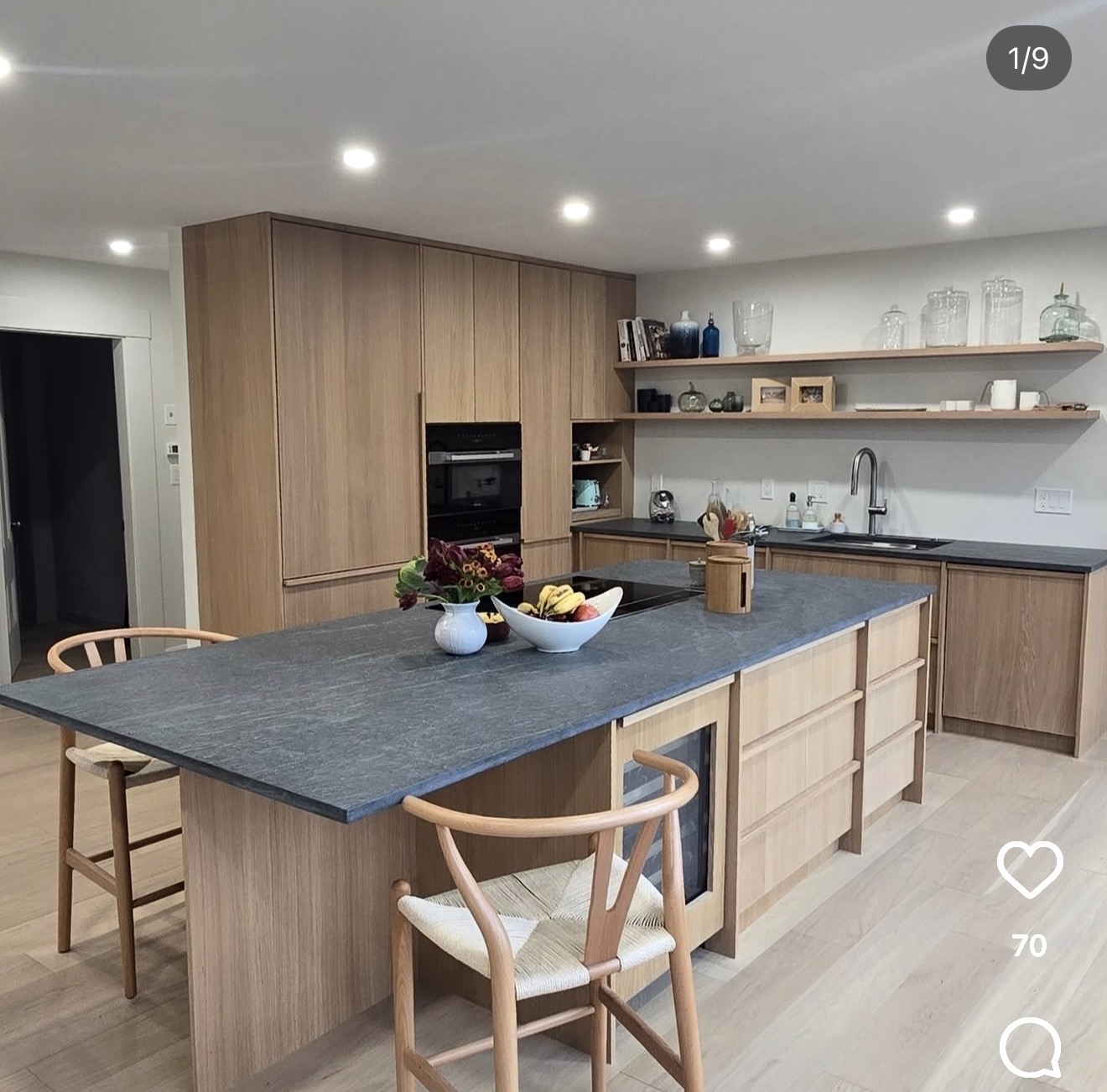
There’s something almost meditative about a Japandi kitchen.
It’s the kind of space where you actually want to make your morning coffee.
Where every object earns its place. Where nothing is loud, nothing is wasted, and somehow everything feels exactly right.
If you’re here, you already know the pull of this aesthetic. That quiet blend of Japanese wabi-sabi and Scandinavian hygge. Warmth without clutter. Simplicity without coldness.
Now, let me walk you through 6 ideas that will bring this feeling into your kitchen.
1. The Warm Neutral Base: Think Beyond White
Most people default to white kitchens. Japandi says: go warmer.
We’re talking linen, oat, warm greige, soft clay. These tones do something white can’t.
They feel alive. They shift with natural light throughout the day. In the morning, they glow. By evening, they feel cozy and grounded.
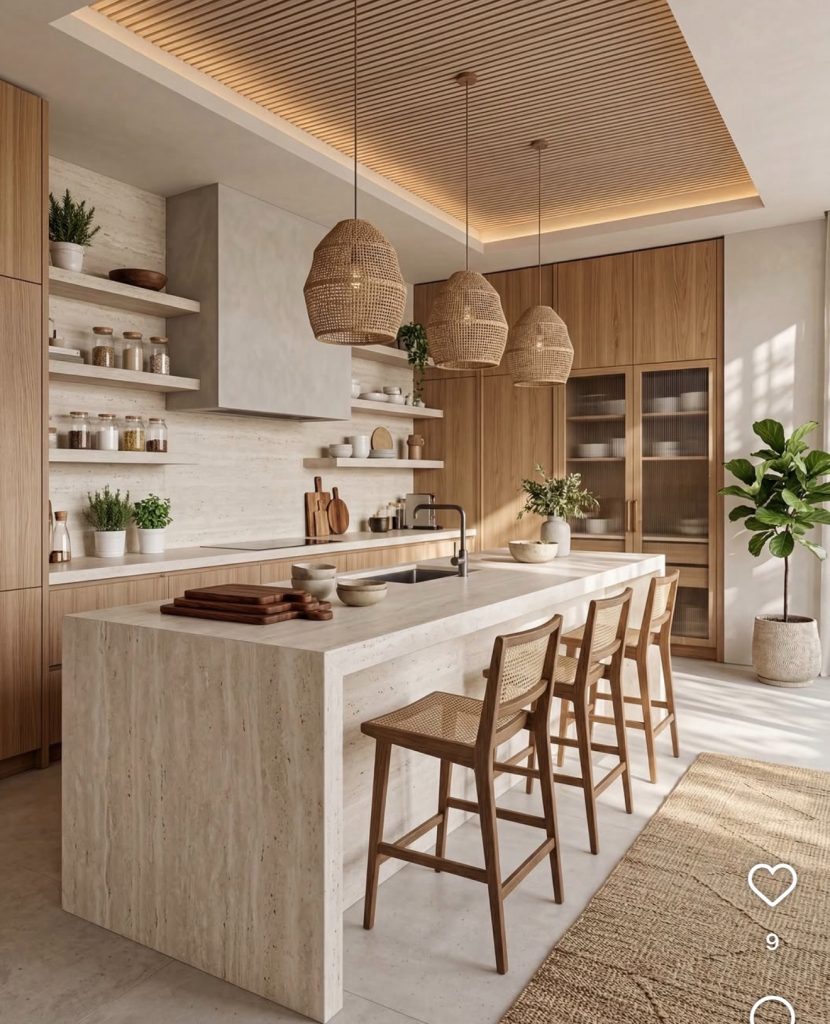
For your walls and cabinetry, look at muted earthy tones with just a hint of warmth.
Not beige-beige, more like toasted almond or pale driftwood. Pair this with a slightly deeper tone on your lower cabinets.
This two-tone approach is everywhere on Japandi kitchen boards right now, and it works because it grounds the space without making it heavy.
The key rule here: every color in the room should feel like it came from nature. If it looks like it belongs in a paint factory, it doesn’t belong in your kitchen.
2. Flat-Front Cabinets With Hidden Hardware
This is one of the biggest visual upgrades you can make, and it’s surprisingly achievable even on a budget.
Japandi kitchens almost always feature flat-front, handle-free cabinetry.
No ornate molding. No decorative hardware pulling your eye in six directions. Just clean, quiet planes of wood or painted surface.
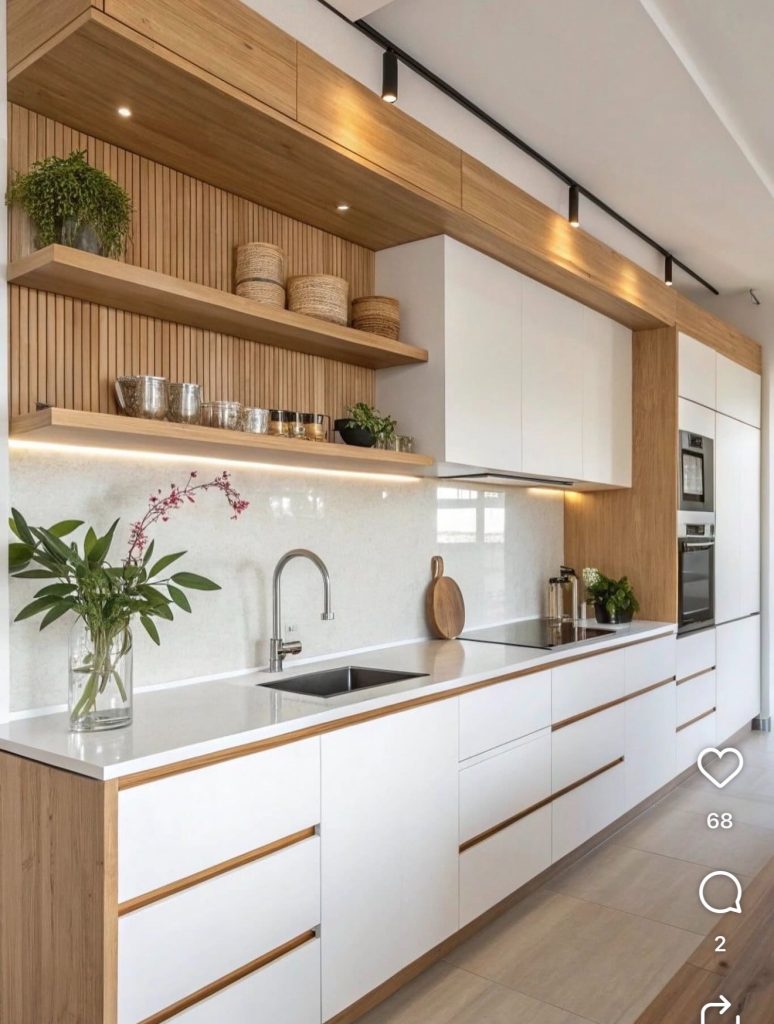
Push-to-open mechanisms are ideal. They give the kitchen that seamless, almost floating quality. If you do want hardware, keep it minimal, a thin integrated groove, or a slim brushed brass pull that almost disappears against the wood.
The visual logic is simple. When your eye has less to bounce around to, the whole room feels more restful. That’s not an accident.
Japanese interior design has understood this for centuries. The Scandinavians caught on. Now we’re catching on, too.
If a full cabinet replacement isn’t in the budget, even swapping out ornate hardware for something simpler makes a real difference. Start there.
Learn About Modern Japandi Bedroom Decor Ideas
3. Natural Wood — But Make It Thoughtful
Wood is the heartbeat of a Japandi kitchen. But not just any wood, and not just anywhere.
The grain matters. You want something with visible, natural character; light oak, ash, or walnut work beautifully.
Avoid wood that looks too processed or too uniform. Japandi celebrates the natural imperfection of materials.
A few knots, a shift in tone, a slightly uneven grain, these are features, not flaws.
Where you use the wood matters, too. A popular approach right now is a wood-wrapped kitchen island. White or warm-neutral upper cabinets, and then the island clad in natural wood.
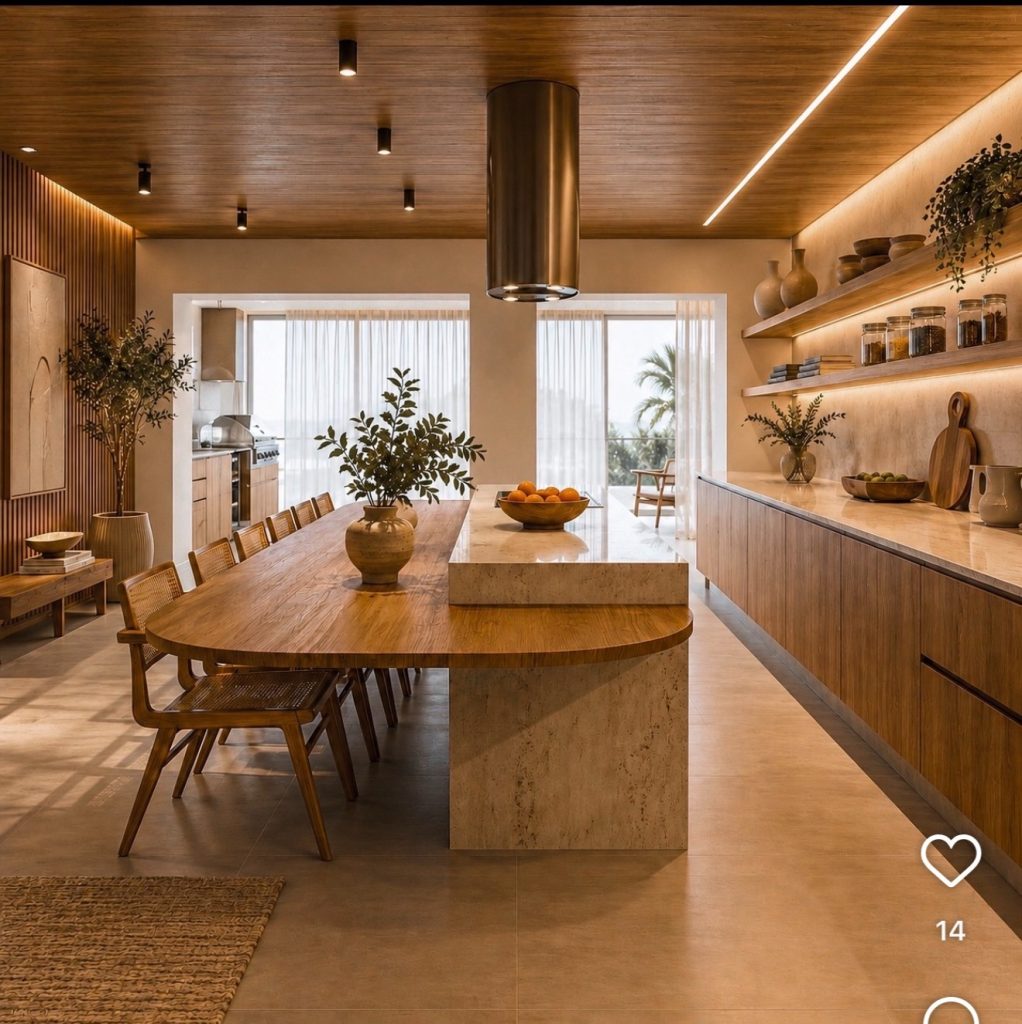
It anchors the space and creates a focal point without needing a single decorative accessory.
Open wood shelving is another strong choice. A simple floating shelf in white oak, holding a few deliberate items, a ceramic bowl, two or three handmade mugs, a small plant, does more for a Japandi kitchen than a full shelf of matching containers ever could.
The guiding principle: every piece of wood you introduce should look like it grew somewhere.
4. Wabi-Sabi Ceramics as Functional Art
This is where your kitchen actually starts to feel curated rather than decorated.
Wabi-sabi is the Japanese concept of finding beauty in imperfection and impermanence.
In the kitchen, this translates to handmade ceramics, textured stoneware, and pottery with visible craftsmanship.
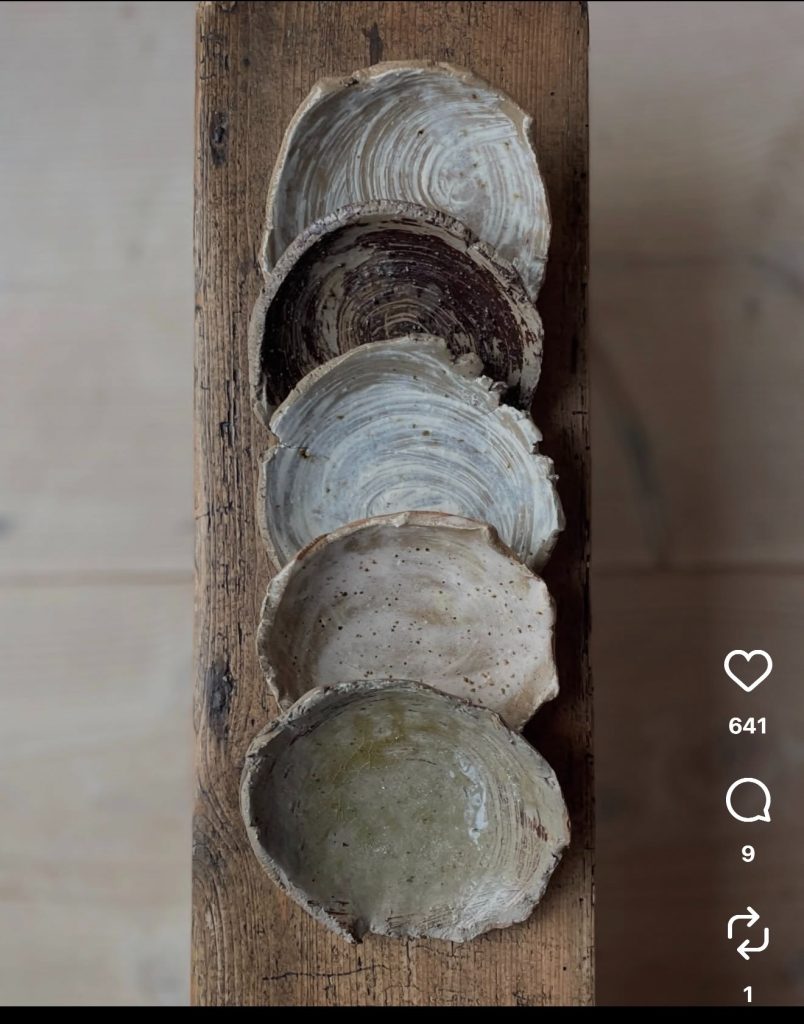
Think: a matte clay fruit bowl on the counter. A set of handmade mugs on that floating shelf.
A ceramic utensil holder with an uneven rim. A hand-thrown vase holding a single dried stem.
These pieces are available from small pottery studios across the country, and they are all over Instagram and Pinterest right now for a reason.
They bring soul into the kitchen. They tell a story. Mass-produced kitchenware, no matter how beautiful, can’t do that.
The color palette for your ceramics should stay tight.
Creamy whites, warm beiges, soft terracotta, muted sage, charcoal. These tones connect the pieces together even when they don’t match exactly.
And here’s the part most people miss: less is always more.
Five intentional pieces beat fifteen random ones every single time.
Edit ruthlessly and only keep what you genuinely love and reach for.
Read About Latest Japandi Living Room Ideas
5. Bring In Organic Textures — Stone, Linen, Rattan
A Japandi kitchen never relies on a single material. It layers textures, but quietly.
Stone countertops in honed (not polished) finish are a staple.
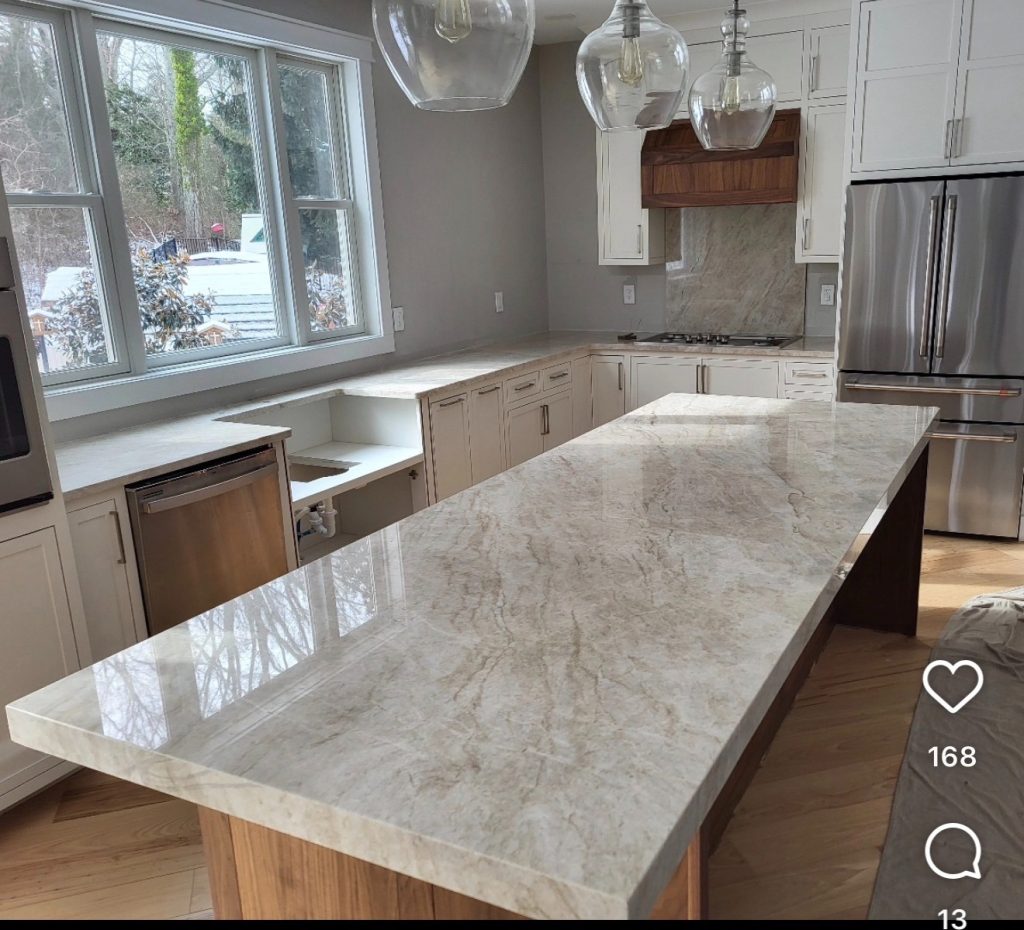
Honed limestone, matte quartzite, leathered granite. The matte finish is critical.
Japandi doesn’t do shiny surfaces or high-gloss anything. The light should absorb, not bounce.
If stone counters aren’t possible right now, a stone or concrete-look porcelain tile achieves a similar effect at a fraction of the cost.
Pair it with a simple subway tile backsplash in a warm white, laid in a clean stacked pattern rather than the traditional offset.
For softer textures, bring in linen. A simple linen dish towel draped over your oven handle. A linen roman shade over the kitchen window.
These small additions warm the room considerably without adding visual noise.
Rattan and woven elements work too; a woven pendant light over the island is one of the most-pinned Japandi kitchen details for a reason.
It softens the whole space. It adds warmth, movement, and a handcrafted quality that nothing else quite replicates.
The layering logic: start hard (stone, wood), add soft (linen, woven), then finish with living (plants, fresh stems).
That three-layer approach is what gives a room its depth.
6. Intentional Greenery — One Plant, Done Right
Plants in a Japandi kitchen are not decoration. They are punctuation.
You don’t need a collection. You need one or two plants, chosen deliberately and placed with purpose.
The aesthetic leans toward structural plants with clean silhouettes.
A single potted snake plant in a matte ceramic pot on the counter.
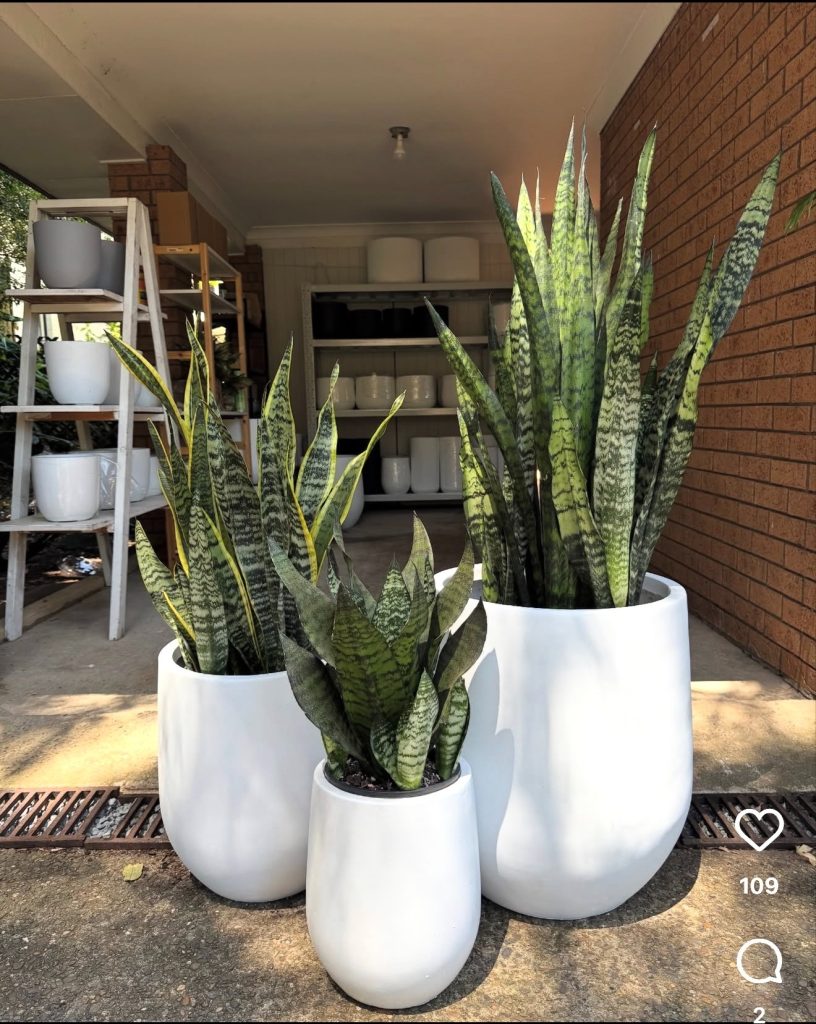
A small fig leaf branch in a tall stoneware vase. A trailing pothos on a high shelf if the light allows.
Fresh herbs in a row of matching clay pots on the windowsill, practical and beautiful at once.
What you want to avoid: plastic pots, colorful pots, overcrowded groupings, or plants that look bushy and unruly.
Japandi greenery is always contained and intentional.
The pot matters as much as the plant.
A beautiful snake plant in a bright plastic nursery pot loses the effect entirely.
Repot into matte ceramic, concrete, or raw terracotta. Suddenly, it looks like it was designed for the space.
Even dried stems work well here.
A bundle of dried pampas or a few dried white flowers in a simple vase brings organic texture without the maintenance.
Final Thoughts
Decorating your kitchen to have a Japandi vibe is simple.
The biggest mistake people make is trying to do too much.
This aesthetic is built on restraint.
Every element you add should have a reason to be there.
The goal isn’t a styled photo; it’s a kitchen that feels genuinely calm to cook in every single day.
Start with your base colors. Get the cabinetry feeling warm and quiet. Then add one material at a time. One wooden shelf. One ceramic piece.
That’s it.
Japandi spaces don’t happen in one weekend shopping trip. They reveal themselves slowly, as you make thoughtful choices over time.