

10 Elegant Window Treatment Ideas That Make Small Spaces Look Larger

Small rooms can be beautiful, cozy, and full of personality. But if you have a tiny living room, a compact bedroom, or a narrow kitchen, you probably know how quickly the wrong decor choices can make the space feel cramped.
One area that deserves more attention is your windows.
The right window treatments can change how a room looks without knocking down walls or spending money on a major renovation.
A well-placed curtain rod, a beautiful Roman shade, or a simple pair of sheer curtains can make your windows appear taller, bring in more natural light, and give your room a more open feel.
The best part? You don’t have to sacrifice elegance to make a small space feel bigger. You can still enjoy soft fabrics, beautiful colors, classic patterns, and stylish finishes.
Whether you’re decorating a small apartment, a cozy cottage, or a modest home, these window treatment ideas will help you create a room that feels brighter, taller, and more inviting.
1. Hang Floor-to-Ceiling Sheer Curtains
If you want a small room to feel taller and brighter, floor-to-ceiling sheer curtains are an excellent place to start.
Sheer curtains allow daylight to filter into your home while softening the appearance of your windows.
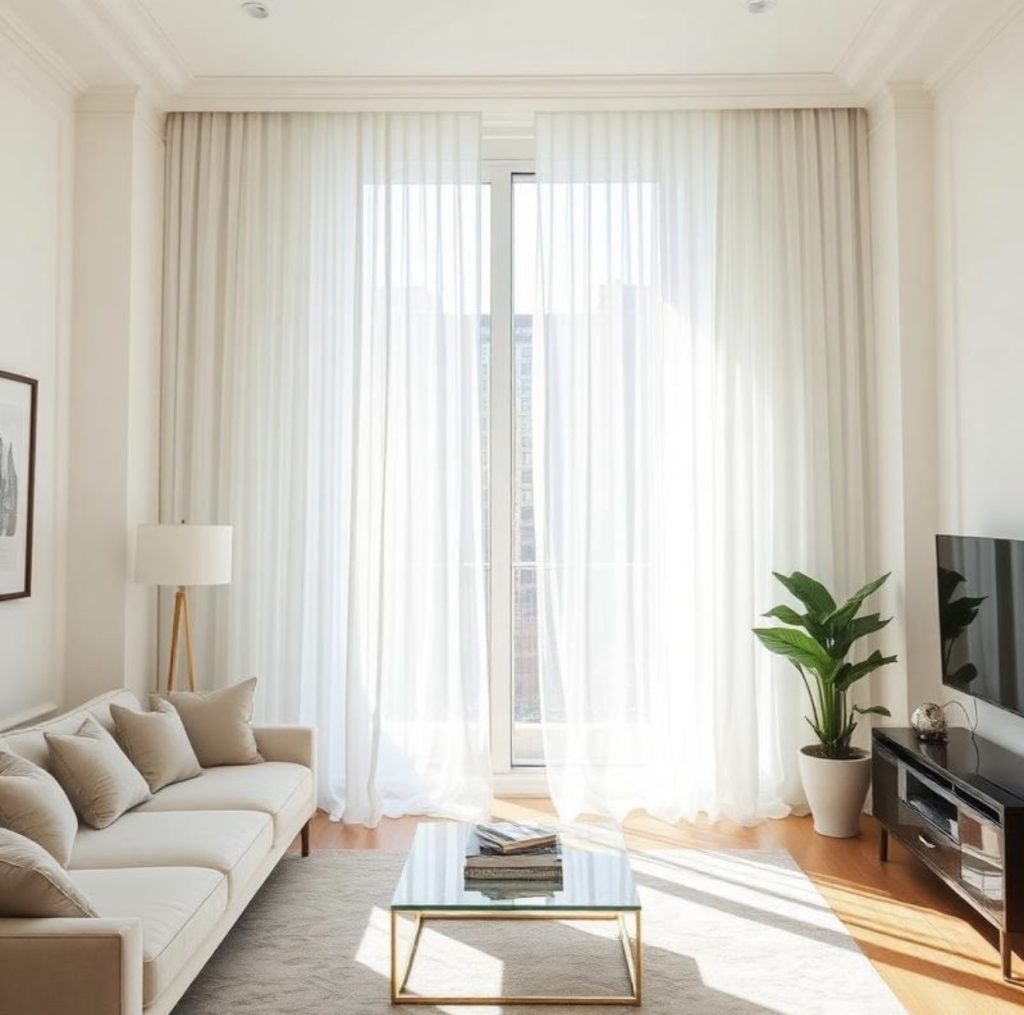
Their lightweight fabric also adds an elegant touch without making the room feel crowded.
The secret is to choose curtains that extend from near the ceiling all the way to the floor.
Even if your window is relatively small, the long vertical lines encourage the eye to travel upward, making the ceiling feel higher.
White, ivory, warm cream, and pale beige are especially lovely choices. They work well with many decorating styles, from modern farmhouse to traditional and contemporary interiors.
For a more expensive-looking finish, choose linen-look sheers with a little texture.
They have a relaxed, natural appearance that feels more interesting than plain, shiny fabric.
How to style them:
- Mount the curtain rod close to the ceiling or several inches above the window frame.
- Let the panels just touch the floor or hover slightly above it.
- Choose a fabric that allows plenty of daylight into the room.
- Keep the curtain hardware simple and understated.
This look works beautifully in small living rooms, bedrooms, and dining areas where natural light is important.
If you need more privacy at night, you can pair the sheers with a discreet roller shade behind them.
Learn how to cozy curtain colors for your bedroom
2. Choose Light-Colored Curtains That Blend With Your Walls
One simple way to make a small room feel more spacious is to reduce the number of strong visual breaks.
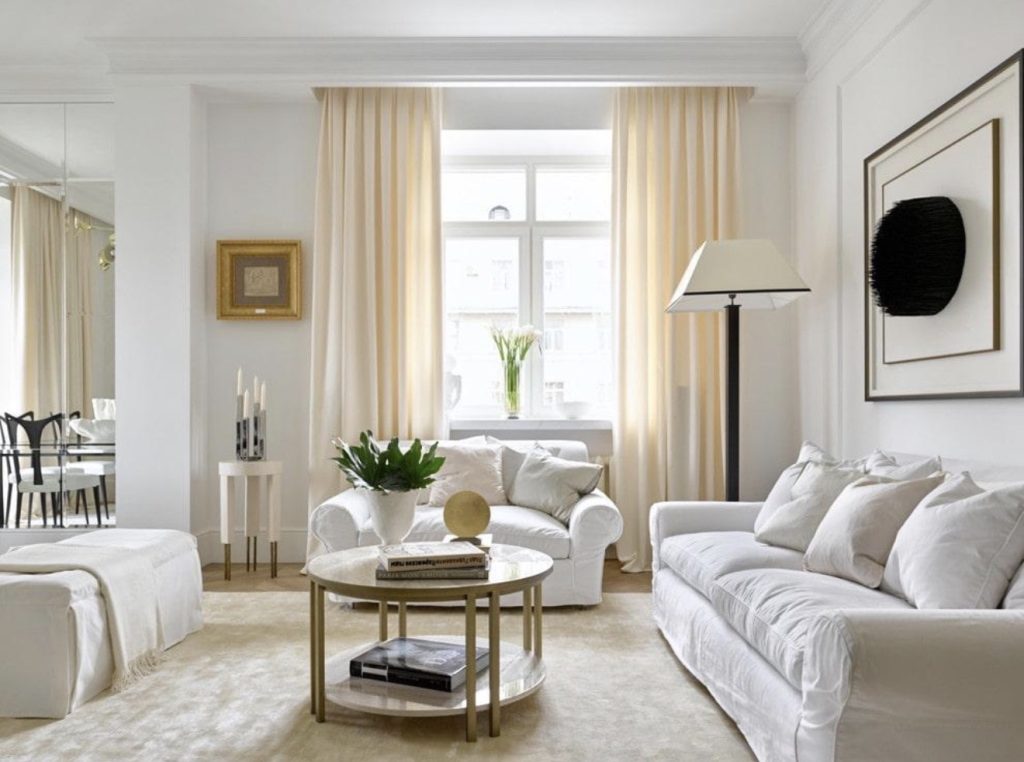
When your curtains contrast sharply with your walls, they create a noticeable frame around the window. That can be beautiful in a large room, but in a compact space, it may draw attention to the window’s actual size.
Choosing curtains in a similar shade to your walls creates a smoother, more continuous appearance.
For example, warm white walls look lovely with ivory curtains. Light beige walls pair beautifully with oatmeal or sand-colored panels. If your room has pale gray walls, soft gray curtains can create a calm, coordinated look.
This doesn’t mean your room has to be completely plain. You can introduce personality through textured fabrics, decorative pillows, area rugs, artwork, and small accessories.
The goal is to keep the window area visually calm while allowing the rest of the room to feel interesting.
How to make this idea work:
- Match the curtain color closely to your wall color.
- Choose linen, cotton, or softly textured fabric for added depth.
- Avoid very bulky headers and oversized decorative trims.
- Keep the curtain panels long enough to create an uninterrupted vertical line.
This approach is particularly useful in small apartments, studio spaces, and narrow bedrooms where you want the decor to feel coordinated rather than busy.
3. Install Roman Shades for a Tailored, Elegant Look
Not every small window needs long curtains. Sometimes, a neat Roman shade is the better choice.
Roman shades are fabric window coverings that fold into soft horizontal pleats when raised.
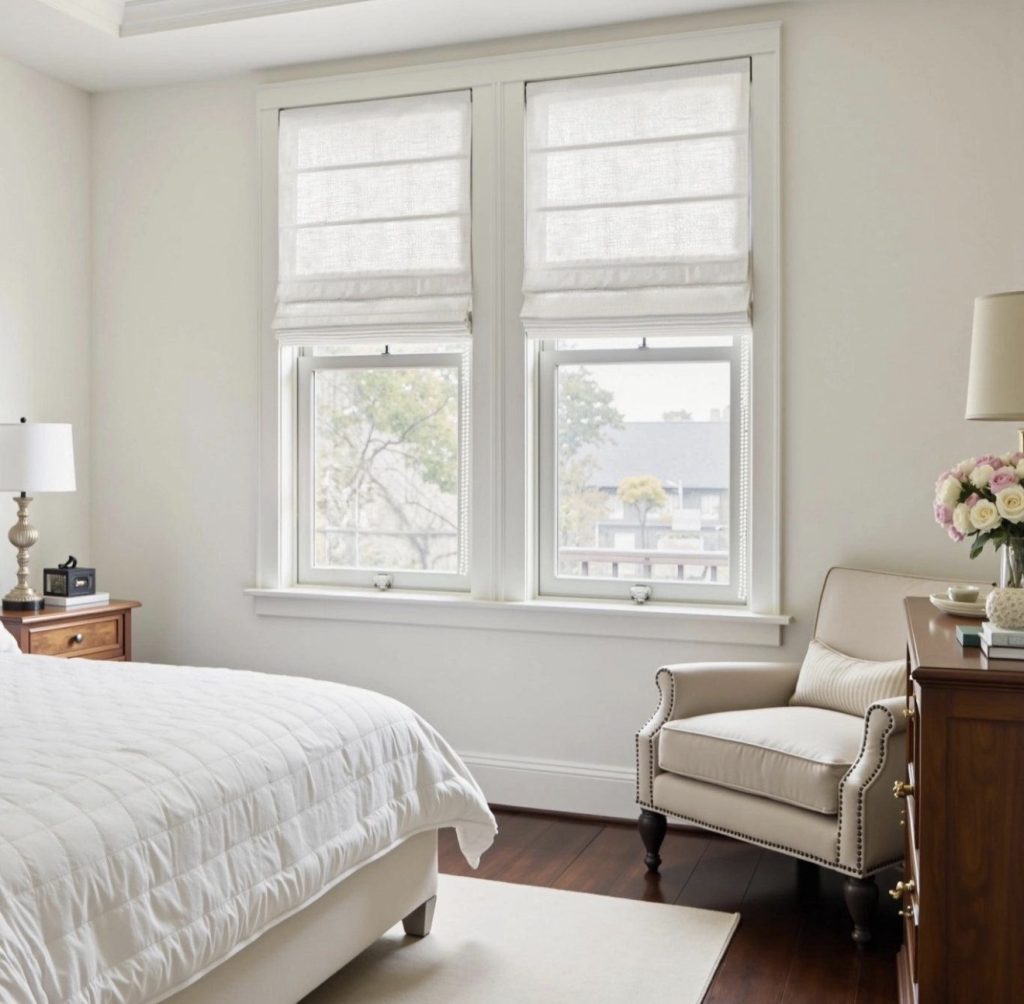
When lowered, they provide a clean, tailored appearance that works well in both traditional and modern homes.
They’re especially useful when you have furniture close to the window.
Think of a small bedroom with a nightstand beside the window, a breakfast nook with a bench underneath it, or a compact living room with a sofa against the wall.
Unlike full-length curtains, Roman shades don’t need extra wall space on either side of the window. This helps keep the room looking tidy.
For an elegant finish, consider a flat-front Roman shade in ivory linen, soft taupe, or a subtle botanical print. If your decor leans traditional, a softly folded Roman shade can add just the right amount of texture.
Inside-mounted shades are particularly attractive because they sit neatly within the window frame. This creates a streamlined appearance and leaves the surrounding wall available for other decor.
A few styling tips:
- Choose a light-filtering fabric for living rooms and kitchens.
- Consider a blackout-lined shade for bedrooms where darkness matters.
- Keep the fabric pattern subtle if the room already has patterned rugs or upholstery.
- Raise the shade during the day to expose as much glass as possible.
Roman shades offer a lovely balance between softness and structure. They’re a practical choice when you want your window treatment to look polished without taking over the room.
4. Extend Your Curtain Rod Beyond the Window Frame
Here’s a decorating trick that can make a surprising difference: don’t place your curtain rod exactly at the edges of your window.
Instead, extend it several inches beyond the frame on both sides, provided you have enough wall space.
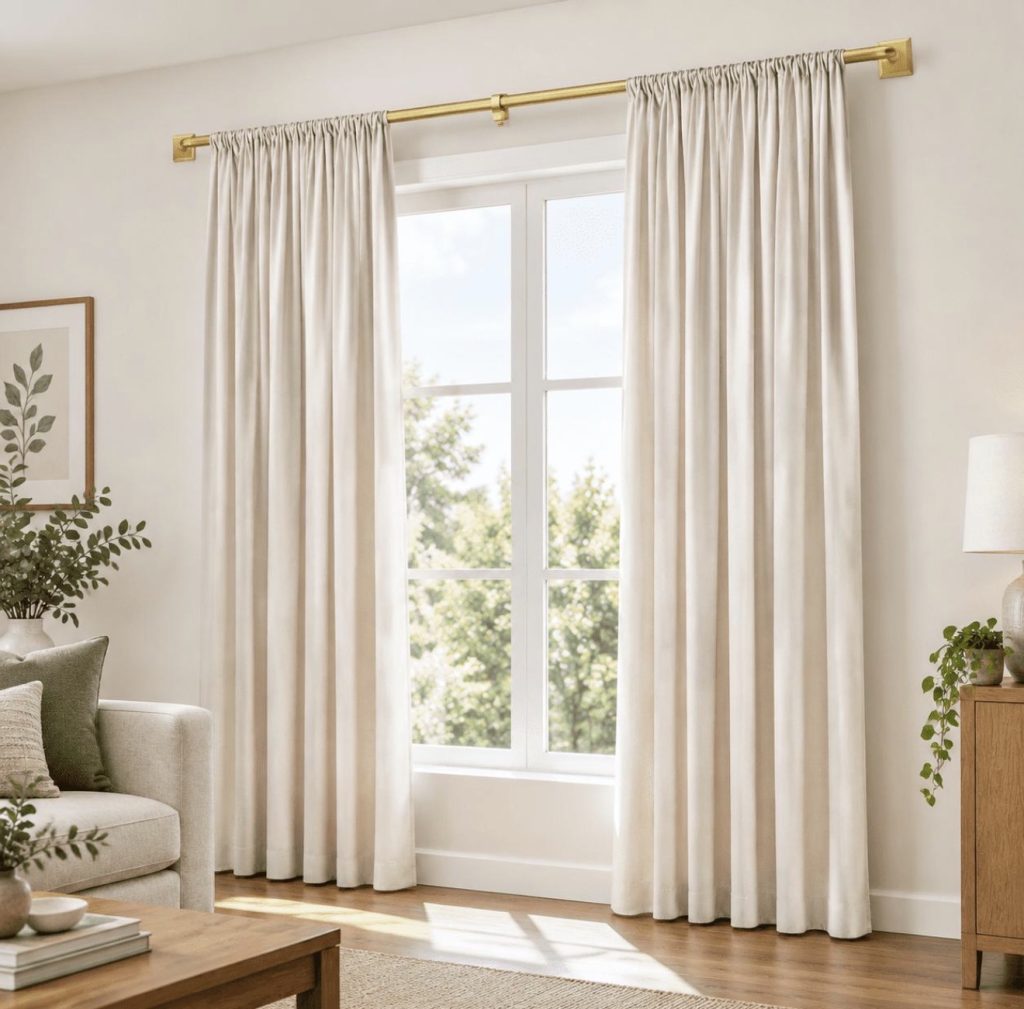
Why does this work? When you open your curtains, the panels can rest against the wall instead of covering part of the glass. This lets more natural light enter the room and makes the visible window appear wider.
It’s especially helpful if your window is narrow or sits on a relatively large wall.
For example, imagine a small living room with a single window behind the sofa. If the curtains cover part of the glass even when they’re open, the room may feel darker than it needs to. A wider rod allows the curtains to sit out of the way.
The result is a more generous-looking window and a brighter room.
How to get the look:
- Extend the rod approximately 6 to 12 inches beyond each side when the wall allows.
- Choose panels wide enough to create attractive folds when closed.
- Use simple finials and hardware that complement the rest of your decor.
- Make sure the curtains can open fully without hitting furniture or doors.
The exact extension will depend on the width of your window, the available wall space, and how much fabric your panels need.
If your window sits close to a corner, don’t force an overly wide rod. A well-fitted treatment that exposes most of the glass is better than one that feels awkward.
Learn how to style living room bay window to look cozy and stylish.
5. Try White Plantation Shutters
If you prefer a crisp, timeless look, white plantation shutters are worth considering.
These shutters have adjustable horizontal louvers that let you control how much daylight enters your room. You can tilt them to soften sunlight, angle them for privacy, or open the panels to let in more light.
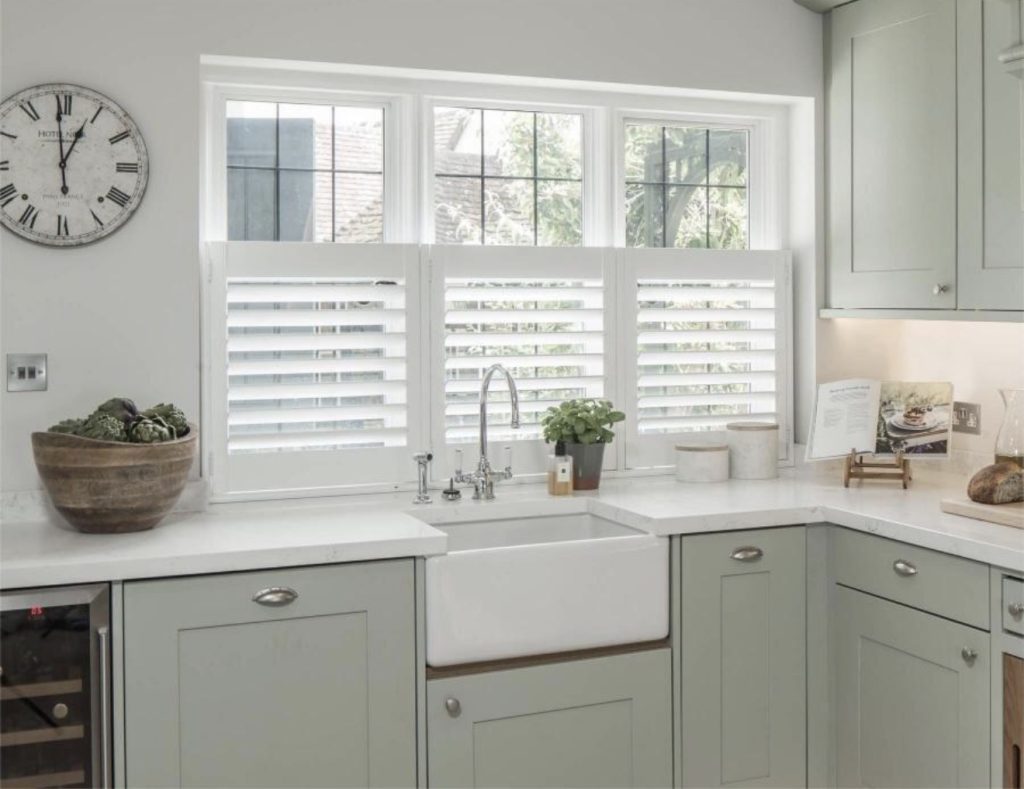
Their clean lines make them especially attractive in small spaces. Unlike bulky curtains, shutters fit close to the window and don’t require fabric to hang down the wall.
White shutters can also complement a wide range of interior styles, including coastal, cottage, traditional, and transitional decor.
In a small bathroom, they can provide privacy while allowing you to adjust the light. In a compact bedroom, they create a tidy appearance without adding visual clutter.
You can also use them in a small dining area where floor-length curtains might interfere with a bench or dining table.
How to style plantation shutters:
- Choose white or a soft off-white that complements your trim.
- Keep the window ledge relatively clear.
- Open the panels fully when you want the maximum amount of daylight.
- Pair them with simple side panels if you want a softer, more decorative finish.
One thing to remember is that shutters can block some light even when the louvers are tilted open. If your room is already dark, compare samples and louver sizes before choosing them.
Quality shutters can also cost more upfront than basic shades, but they offer a durable, built-in appearance that many homeowners love.
6. Use Ceiling-Mounted Curtain Tracks for a Seamless Finish
If you love modern, understated interiors, ceiling-mounted curtain tracks are a beautiful alternative to traditional curtain rods.
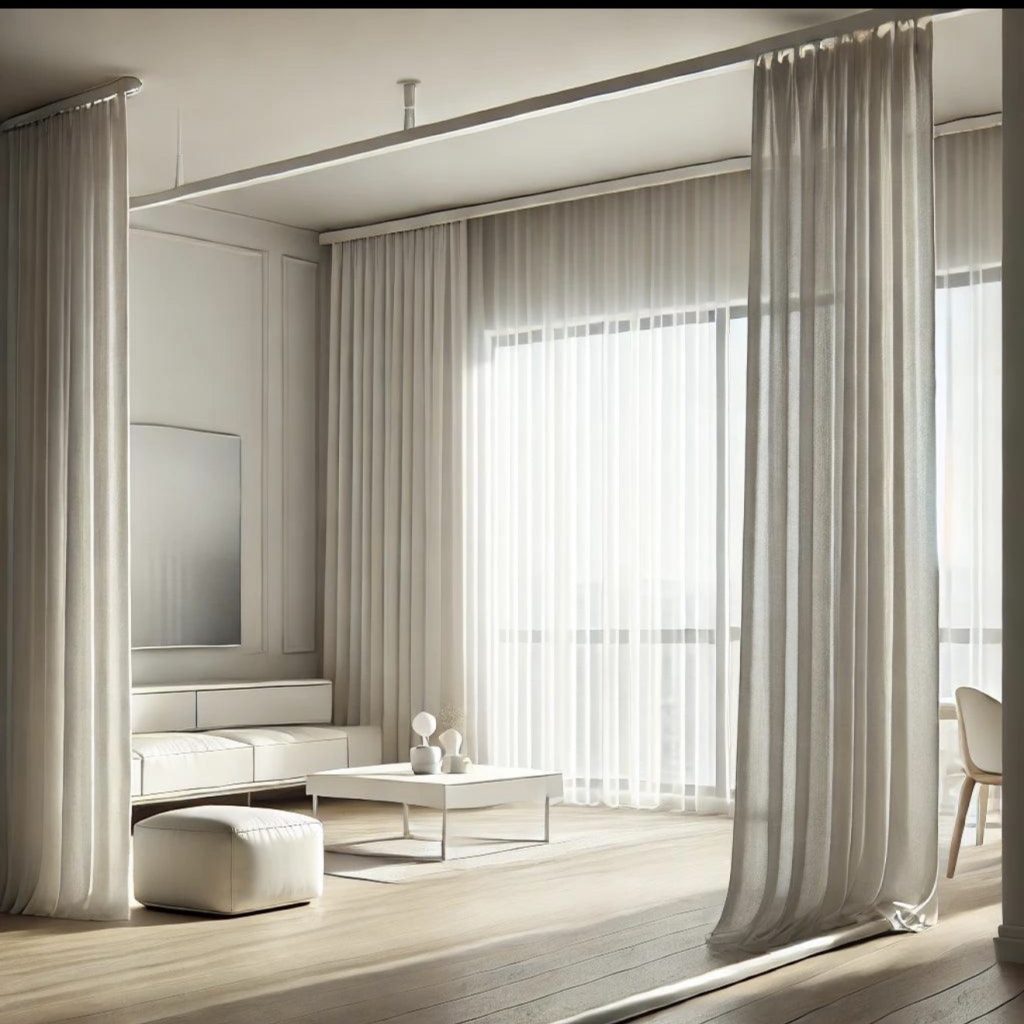
The track attaches close to the ceiling, allowing the curtains to fall from the top of the room to the floor. Because the hardware is less noticeable, the fabric becomes the main feature.
This creates a clean vertical line that can make a small room feel taller.
Ceiling-mounted tracks are particularly useful in apartments with low ceilings, contemporary bedrooms, and living rooms where you want a simple, architectural look.
They’re also helpful if you have several windows along the same wall. A continuous track can make the windows feel like one larger design feature rather than separate, disconnected openings.
For a softer look, use lightweight linen-blend curtains. For a more refined finish, choose pinch-pleat panels with a neat, consistent fold.
You can even install a double track if you want sheer curtains for daytime and lined curtains for nighttime privacy.
To make this treatment look elegant:
- Run the track as close to the ceiling as practical.
- Choose full-length panels that hang evenly.
- Keep the color palette coordinated with your walls.
- Avoid excessive fabric pooling on the floor in a room with limited space.
This treatment works especially well when you want a high-end appearance without adding lots of decorative details.
If you’re renting, look for a ceiling-track system that suits your lease requirements or a compatible wall-mounted alternative.
Discover modern bay window treatment ideas for privacy.
7. Choose Light-Filtering Roller Shades for a Minimalist Look
Sometimes, the most elegant window treatment is the one you barely notice.
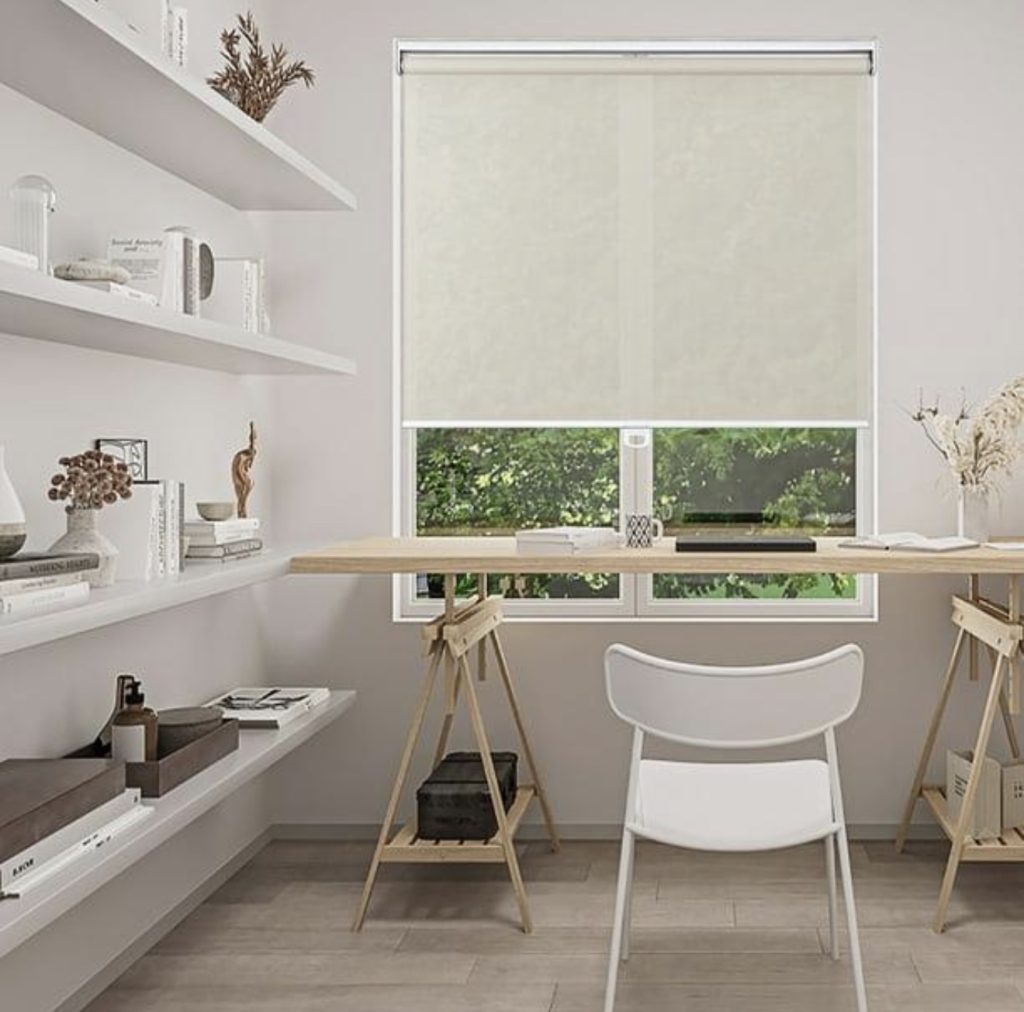
Light-filtering roller shades are ideal if you want a neat, modern look without the extra fabric of traditional curtains. They roll up into a compact tube when you want an unobstructed view and pull down when you need privacy or softer light.
Because they fit neatly inside or above the window frame, roller shades work well in rooms where every inch of space matters.
Think of a small home office, a narrow kitchen, or a compact guest bedroom. In these spaces, long curtains may compete with desks, countertops, or furniture.
Choose a translucent white or warm ivory shade if your main goal is to soften daylight without making the room feel dark. A light beige shade can also look beautiful in a warm, neutral interior.
If you prefer a more luxurious appearance, consider a roller shade with a fabric texture rather than a shiny plastic finish.
Here’s how to style them:
- Choose a shade that coordinates with your wall color.
- Use an inside mount for a streamlined appearance if the window frame allows it.
- Keep the shade fully raised when privacy isn’t needed.
- Add simple curtain panels only if you have enough room and want extra softness.
Keep in mind that light-filtering shades don’t necessarily provide complete privacy at night, especially when your room is illuminated. For bedrooms and street-facing windows, check the fabric’s privacy rating before buying.
Roller shades are an excellent choice for anyone who loves a clean, uncluttered home but still wants practical light control.
8. Add Subtle Vertical Stripes to Make the Room Feel Taller
You don’t have to stick with solid-colored curtains to make a small room feel spacious. The right pattern can help, too.
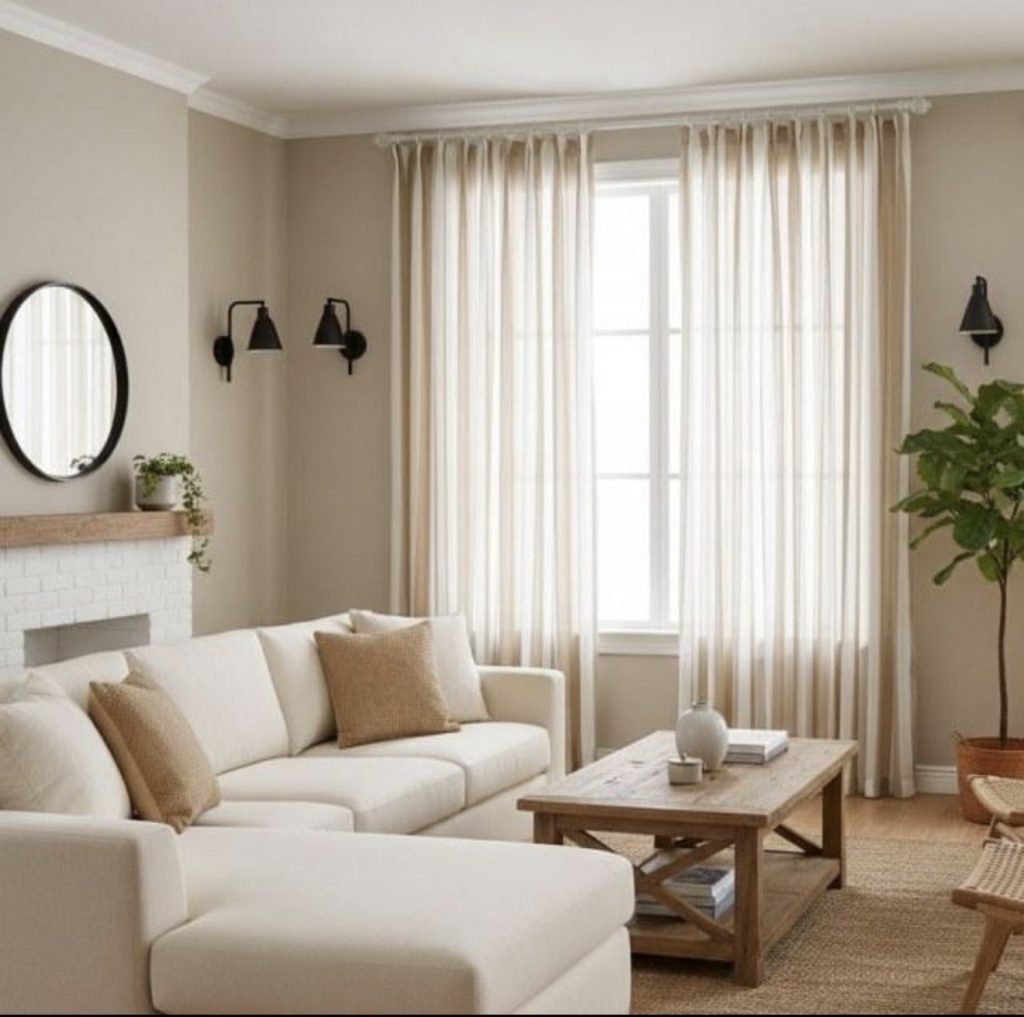
Vertical stripes naturally guide the eye upward. When used on curtains, they can emphasize the height of the window and make the surrounding wall feel taller.
The trick is to choose stripes that feel refined rather than overwhelming.
For example, narrow cream and beige stripes can add interest to a neutral bedroom without making the space feel busy. Pale blue and white stripes are lovely in coastal-inspired interiors, while muted green and ivory can complement a cottage-style room.